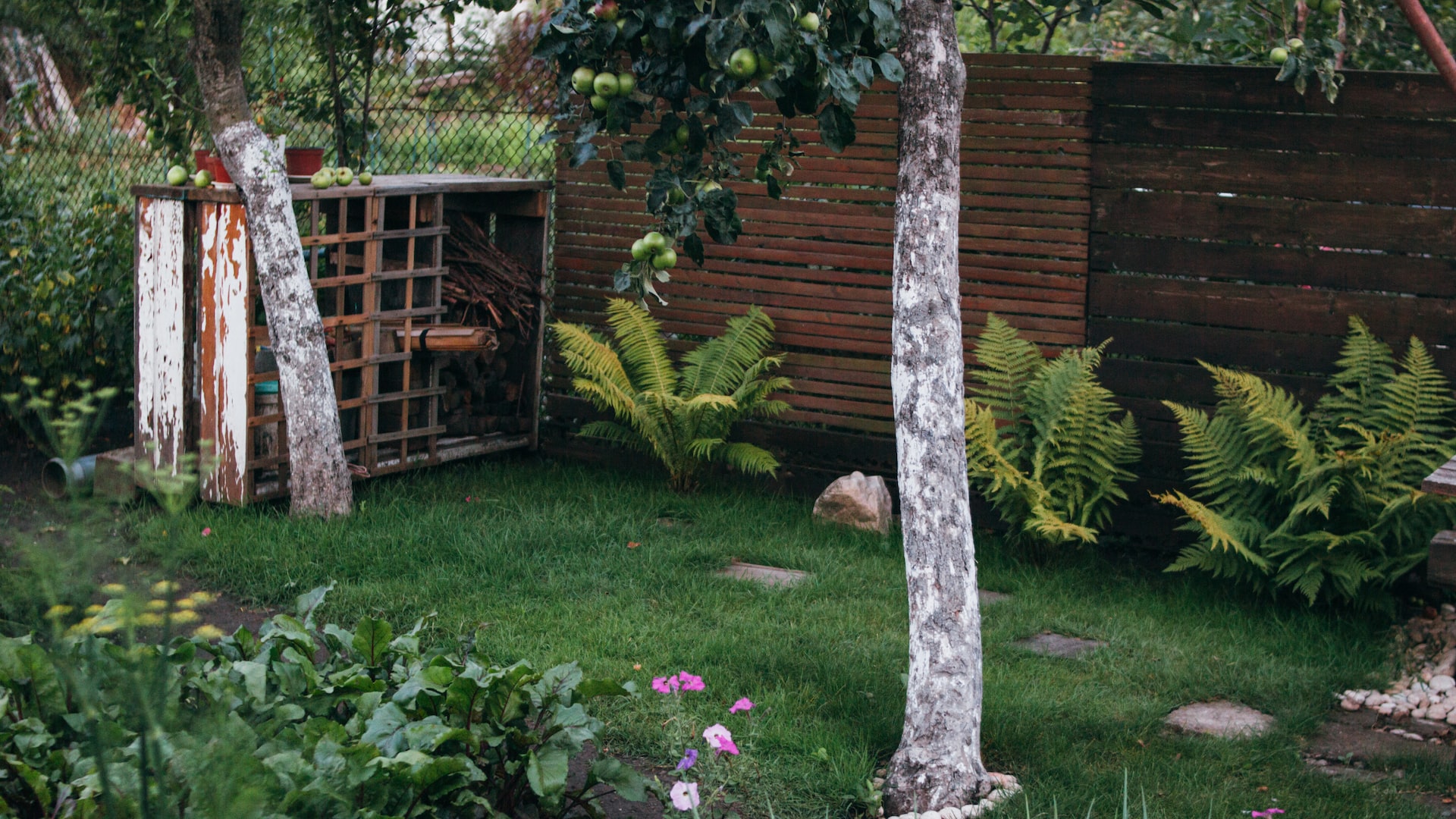
A shady backyard can feel like an extra room. It is where children spread their toys, friends gather around the barbecue, and a quiet cup of tea tastes better beneath a leafy canopy. For a small business, well-kept trees can soften a car park, shade an outdoor seating area, and make an entrance more welcoming.
Yet trees do not stay neatly within the spaces we imagine for them. Branches stretch towards roofs, roots compete with paving, and yesterday’s charming sapling can become today’s awkward neighbour. After heavy rain or strong winds, familiar trees may also need a closer look.
For property owners in Stanhope Gardens, good tree care begins with understanding what needs attention—and what can safely be left alone. Blacktown Tree Services is a local company to consider when discussing tree removal services, tree cutting, trimming and pruning. An arborist serving Stanhope Gardens with practical tree care advice can help start the most useful conversation—not with a chainsaw, but with the condition of the tree and the needs of the property around it.
When an arborist in Stanhope Gardens Can Help
Some tree problems announce themselves loudly. A branch falls across the driveway, or a trunk develops a noticeable lean after a storm. Others are quieter, such as gradual canopy dieback, damaged bark, or branches rubbing against each other above a garden path.
An arborist assesses trees with their health, structure, surroundings, and potential hazards in mind. The goal is not automatically to remove a tree. Sometimes careful pruning is enough to improve clearance or address a particular defect. In other situations, removal may be the more appropriate option.
Look beyond the most obvious branch
A branch hanging over a roof might attract attention, but the whole tree matters. Its species, age, growing conditions, previous pruning, and relationship with nearby structures can all influence the recommended approach.
An assessment may consider:
- Dead, broken, or poorly attached branches
- Cracks, cavities, fungal growth, or other signs requiring investigation
- Clearance around buildings, driveways, and pedestrian routes
- Changes to surrounding soil, drainage, or ground levels
- The likely effects of proposed pruning
These observations need professional interpretation. A hollow does not automatically mean a tree must go, just as a full canopy does not guarantee that every part of the tree is sound.
Tree Trimming and Pruning With a Purpose
Tree trimming and tree pruning are often treated as interchangeable terms, but it helps to explain the result you want rather than simply request a smaller tree.
Perhaps branches are brushing against the gutters. Perhaps a shop sign has disappeared behind foliage. Or perhaps a young tree needs guidance so it develops a more suitable structure as it grows.
The right work depends on the reason for cutting.
Pruning for health and structure
Tree pruning can involve removing deadwood, addressing damaged branches, or improving the arrangement of selected limbs. On younger trees, formative pruning may help reduce structural problems that would become more difficult to manage later.
Good pruning is selective. Removing too much foliage can stress a tree, while poorly positioned cuts can create unnecessary wounds. The amount and timing of pruning should suit the species, condition, and objective.
Trimming for everyday clearance
Tree trimming often focuses on keeping outdoor spaces usable. That might mean maintaining clearance above a footpath, keeping foliage away from a building, or improving access to a parking area.
For homeowners, this can make routine jobs such as gutter maintenance easier. For businesses, it can help preserve clear entrances and sightlines. In both settings, restraint matters. The aim should be useful clearance without unnecessarily stripping away shade or damaging the tree’s natural form.
Why Tree Lopping Deserves a Careful Conversation
“Tree lopping” is a familiar phrase, but it can describe anything from ordinary branch removal to severe cutting back of the canopy. That ambiguity makes it worth asking exactly what a proposed service involves.
Indiscriminate lopping or topping can remove large sections of a tree without regard to suitable pruning points. Depending on the tree and the extent of the work, this may encourage vigorous regrowth, create large wounds, and leave an ongoing maintenance problem.
If you are speaking with a provider about tree cutting, ask which branches will be removed and why. A clear explanation is more useful than a promise to “take a bit off the top”.
When comparing tree services, look for recommendations that balance the immediate goal with the tree’s longer-term condition.
When Tree Removal Becomes the Practical Choice
Keeping a suitable, healthy tree is often worthwhile. Mature trees provide shade, habitat, privacy, and character that can take decades to replace. Nevertheless, there are circumstances in which tree removal deserves serious consideration.
A tree may be dead, severely compromised, unsuitable for its position, or affected by a development proposal that cannot reasonably accommodate it. Even then, the decision should account for professional advice and any relevant approval requirements.
Plan the job around the site
A tree removal service involves more than cutting through a trunk. Access, overhead obstacles, nearby buildings, fences, gardens, and public areas can all shape the method.
In a confined backyard, a tree may need to be dismantled in sections rather than felled in one piece. Equipment access and the handling of branches and timber also affect the work involved.
When discussing removal with Blacktown Tree Services, describe the setting as clearly as possible. Mention narrow side access, nearby sheds, delicate landscaping, shared driveways, and anything else that could affect the job. Photographs may help with an initial discussion, although they are not always a substitute for an on-site assessment.
Check permissions before cutting
Tree protection rules can apply on private property. Before authorising substantial pruning or removal, check the current requirements with Blacktown City Council and confirm whether other restrictions apply.
Do not assume that a tree can be removed simply because it is inconvenient or close to a boundary. Neighbouring ownership, protected vegetation, and development conditions may need separate consideration.
Branch Removal Without the Backyard Gamble
A cracked limb can look deceptively manageable from the ground. Once cut, however, its weight, tension, and movement can be difficult to predict.
Tree branch removal is especially hazardous when limbs are overhead, suspended in other branches, resting on a structure, or close to electrical infrastructure. Ladders and handheld saws are not a safe substitute for suitable training and equipment.
If a branch has fallen, keep people and pets away until the area is assessed. Do not approach fallen powerlines or attempt to move branches in contact with them. Contact emergency services or the electricity network operator as appropriate.
For branches overhanging a boundary, establish ownership and understand the relevant rules before arranging work. A calm conversation with the neighbour can prevent a maintenance issue from becoming a dispute.
Palm Trees Need Their Own Plan
Palms create a distinctive garden silhouette, but their maintenance and removal requirements differ from those of many branching trees.
Heavy fronds, fruit clusters, restricted access, and species-specific features can complicate the work. Some palms also have sharp spines that make handling cut material particularly unpleasant.
Palm tree removal should therefore be assessed as its own task, rather than treated as a smaller version of ordinary tree removal. Ask how the palm will be dismantled, what will happen to the trunk and fronds, and whether the remaining stump is included in the proposed work.
Where the palm is being retained, discuss appropriate maintenance rather than assuming aggressive frond removal will improve its health or stability.
Emergency Tree Removal After Wild Weather
Storm damage has a way of turning a familiar garden into unfamiliar territory. A hanging branch, newly leaning tree, or split trunk may pose a hazard even after the wind has dropped.
Emergency tree removal may be needed where a damaged tree presents an immediate risk, but the first priority is keeping people clear.
If you discover significant damage:
- Keep children, visitors, staff, and pets away from the affected area.
- Avoid walking beneath damaged limbs or entering the likely fall zone.
- Stay well clear of powerlines and anything touching them.
- Seek emergency assistance where there is immediate danger.
- Contact a qualified tree professional for assessment when it is safe to do so.
Confirm emergency availability directly with the provider. Do not assume that every company offers round-the-clock attendance or that a damaged tree can be dealt with immediately under unsafe conditions.
Finishing the Job Below Ground
Removing a tree can open up useful space, but the stump often remains as an awkward reminder. It may interfere with mowing, future planting, fencing, or plans for a new garden bed.
Tree and stump removal should be discussed together if your goal is a clear, usable area.
Know what the quote includes
Stump grinding and complete excavation are different processes. Grinding generally reduces the stump below ground level, while excavation involves removing material more extensively. Neither should be assumed to include every root throughout the property.
Ask about grinding depth, underground services, access requirements, leftover grindings, and the intended future use of the area. A space destined for lawn may need different preparation from one planned for paving or construction.
Land Clearing With Clear Boundaries
Land clearing can range from removing a few unwanted trees and shrubs to preparing a larger area for a new use. For residential owners and small businesses, defining the scope early helps avoid unnecessary disturbance.
Identify vegetation to retain, access routes, boundary lines, and nearby structures. Consider erosion, habitat, drainage, and disposal requirements before work begins.
Approvals for clearing may differ from those for an individual tree, so obtain advice relevant to the property and proposed activity. A tidy-looking block is not the only measure of a successful job; protecting retained trees and avoiding damage to the site matter too.
Choosing Tree Services With Confidence
The term “tree surgeon” is commonly used for someone carrying out specialist tree work, but the label alone does not establish qualifications or suitability.
Before engaging Blacktown Tree Services or another provider, ask practical questions:
- Who will assess the tree, and what qualifications do they hold?
- What insurance is in place for the proposed work?
- Does the quote specify pruning, removal, stump work, and cleanup separately?
- Who is responsible for checking and obtaining required approvals?
- How will nearby buildings, gardens, and access areas be protected?
- What timber, mulch, or debris will remain on site?
A written scope makes comparisons easier and reduces misunderstandings. It also helps you distinguish a carefully planned service from a price that leaves important work unexplained.
Frequently Asked Questions
Does every overgrown tree need removing?
No. Depending on its condition and location, selective pruning or a planned maintenance approach may address the concern. An assessment can help establish whether retaining the tree is practical.
How often should trees be pruned?
There is no single schedule for every tree. Species, age, health, growth rate, location, and previous work all influence the need for pruning. Regular observation is useful, but cutting should have a clear purpose.
Is stump removal included in tree removal?
Not necessarily. Stump work is often quoted separately, so confirm the details before accepting a proposal.
Can I cut branches near powerlines?
Do not attempt this yourself. Work near electrical infrastructure requires appropriate authorisation, skills, and safety controls. Contact the electricity network operator for guidance.
What should I prepare before requesting a quote?
Gather photographs, describe your concerns, and note access limitations. If you have relevant approval documents or previous tree reports, make those available too.
Make Room for a Better Outdoor Space
Thoughtful tree care is not about making every garden smaller or tidier. It is about helping outdoor spaces work well while respecting the living features that give them character.
Whether you need careful pruning, a damaged branch assessed, or a discussion about removal, start with a clear description of the problem. Speak with Blacktown Tree Services about the work you are considering, ask for an itemised scope, and check the relevant requirements before proceeding.
The best result is not simply a pile of branches taken away. It is a property you can use with greater confidence—and a sensible plan for the trees that remain.