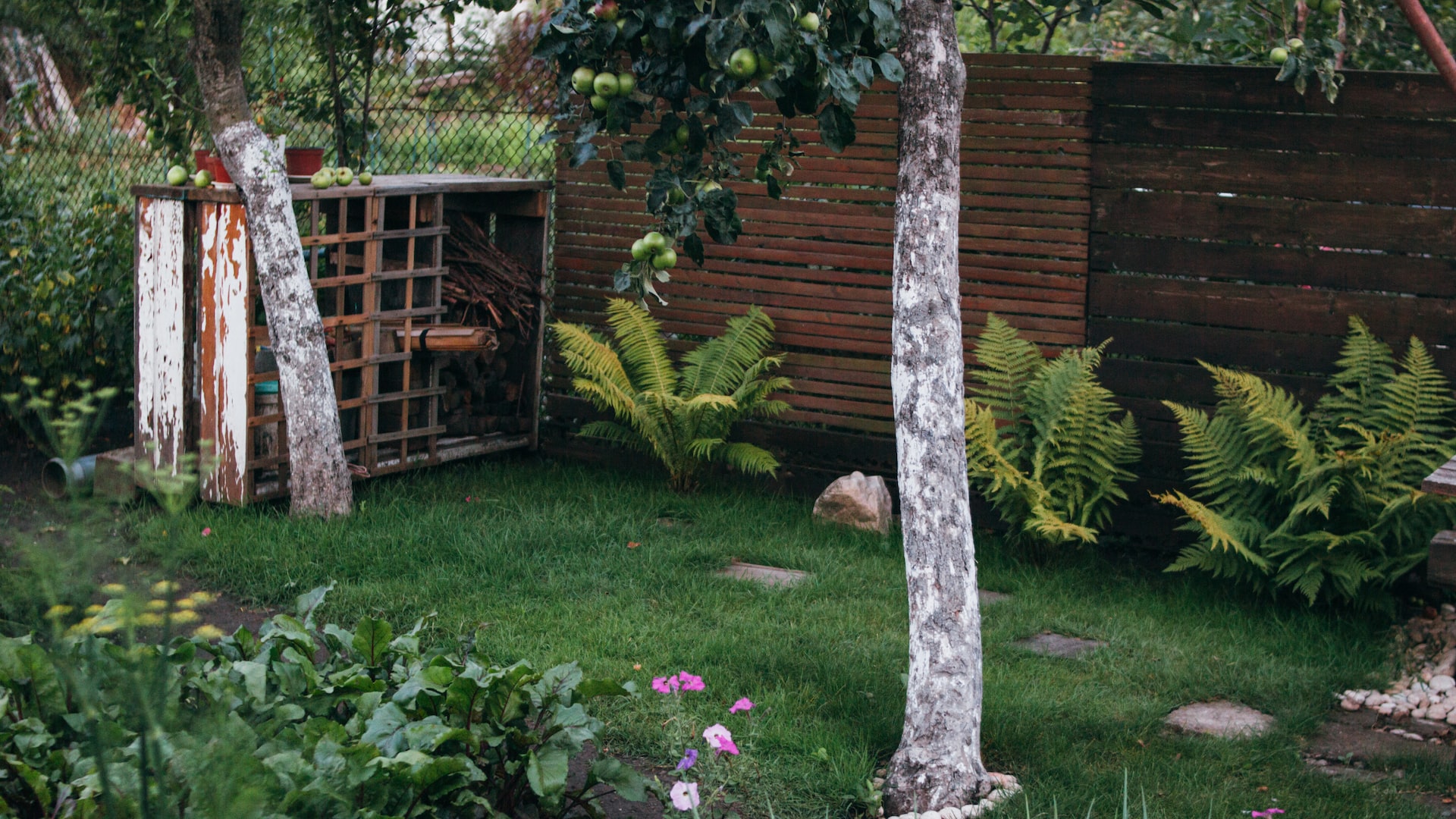
A favourite tree can become part of a property’s identity. It might frame the front entrance, shade the outdoor table, or mark the spot where the children’s swing once hung. Yet the same tree can gradually block winter sunlight, stretch towards a roof, or develop a damaged limb that makes every windy evening feel less comfortable.
For homeowners and small business owners around Pukekohe, looking after trees means balancing those everyday pleasures with practical responsibilities. Gardens need light, buildings need clearance, and customers need safe access to entrances and parking spaces. Trees, meanwhile, need care that respects how they grow.
Franklin Tree Services is a local company to consider when planning tree removal, tree cutting, trimming and professional tree pruning services in Pukekohe and across Auckland. Its website, franklintreeservices.nz, provides a starting point for enquiries. Before arranging work, however, it helps to understand what different services involve—and why the best solution is not always the most dramatic one.
Why tree pruning services in Pukekohe Need a Thoughtful Approach
Pukekohe properties vary considerably, from compact residential sections to larger lifestyle blocks and busy commercial sites. A tree beside a shopfront presents different challenges from one standing in an open paddock. Even neighbouring gardens may need different approaches because of tree species, soil conditions, exposure and previous maintenance.
Good tree pruning starts with a clear purpose. Perhaps a branch rubs against a gutter, a canopy shades a vegetable patch, or crossing limbs are damaging one another. Each problem calls for a targeted response rather than an indiscriminate cutback.
An arborist considers the condition of the whole tree before deciding where cuts should go. Removing too much foliage can stress a tree, while poorly positioned cuts may create wounds that are slow to close or encourage weak regrowth.
Start With the Outcome You Want
Before requesting a quote, walk around the property and identify what is actually troubling you. Useful goals might include:
- Creating clearance above a driveway or footpath.
- Removing dead, broken or hanging branches.
- Managing interference with buildings.
- Improving the structure of a developing tree.
- Allowing more light into selected areas.
- Assessing a tree that has changed noticeably.
Being specific helps keep the discussion focused. “We need more afternoon light on the deck” gives a contractor more useful information than “Please make the tree smaller.”
It also leaves room for alternatives. Selective pruning may achieve the desired improvement without substantially changing the tree’s character.
Understanding the Different Types of Tree Work
People often use tree trimming, tree pruning and tree cutting interchangeably. Although these terms overlap in everyday conversation, the intended result matters more than the label.
Tree Trimming for Clearance and Appearance
Tree trimming commonly describes work to manage growth around buildings, paths, signs and boundaries. For a small business, that could mean keeping foliage clear of an entrance or improving the visibility of a storefront.
Appearance still matters, but a neat outline should not come at the expense of sound structure. Repeatedly clipping a tree into an unsuitable space can create an expensive cycle of maintenance. In some cases, replacing it with a more appropriate species deserves consideration.
Tree Pruning for Structure and Condition
Tree pruning is generally more selective. It may involve removing deadwood, addressing rubbing branches, or developing a stronger framework in a young tree.
Timing depends on the species, its condition and the purpose of the work. There is no single season that suits every tree and every pruning objective. Ask the contractor why a particular approach and timing are recommended.
Young trees are especially worth attention. Small, well-planned cuts early in their lives can help avoid larger interventions later.
Tree Cutting and Tree Lopping
Tree cutting is a broad expression that may describe anything from removing a branch to dismantling an entire tree. A quote should make the intended work much clearer.
Tree lopping often refers to substantial cutting back, sometimes without regard for the tree’s natural branching structure. Heavy, indiscriminate cuts can encourage dense shoots with weak attachments and leave large wounds.
If someone proposes a severe reduction, ask what the long-term result is likely to be. A short canopy today does not necessarily mean a safer or easier-to-manage tree tomorrow.
Knowing When Tree Removal Makes Sense
Keeping a tree is not always practical. Significant structural defects, extensive decline, storm damage or an unsuitable location may make tree removal the more reasonable option.
Still, size alone does not establish that a tree is dangerous. Equally, a leafy canopy does not prove that a tree is structurally sound. Assessment should consider the tree itself and what could be affected if a part failed.
A professional tree removal service should explain the proposed method, access requirements and how surrounding features will be managed.
Removal in Confined Spaces
A tree growing close to a house, fence or neighbouring garage may need to be dismantled in sections rather than felled whole. That changes the equipment, labour and time involved.
When discussing a removal, mention:
- Narrow gates or restricted driveway access.
- Nearby roofs, glasshouses and fences.
- Overhead lines and known underground services.
- Septic systems, water tanks and soft ground.
- Shared accessways and neighbouring structures.
- Whether the stump also needs attention.
Do not assume stump grinding is included. Removing the above-ground tree and dealing with the stump are separate tasks unless the quote states otherwise.
Check Before Authorising Work
In Auckland, some trees may be subject to planning controls or other restrictions. Requirements can also depend on the property, site conditions and proposed activity.
Check current Auckland Council requirements where relevant, particularly before substantial work or land clearing. If ownership is unclear or branches cross a boundary, resolve permissions and responsibilities before cutting begins.
Branches and Limbs Deserve Proper Planning
A single damaged branch can seem like a modest job, especially when the rest of the tree looks healthy. However, tree branch removal can involve considerable risk when timber is suspended, split or under tension.
Tree limb removal above a roof, car park or public walkway requires particular care. Cutting changes how weight is distributed, and branches do not always fall or move as expected.
Why Height Is Only Part of the Risk
Even a relatively low limb can be heavy enough to cause serious injury or property damage. Ladders, chainsaws and unstable branches are an especially hazardous combination.
Keep people and pets away from hanging or freshly broken limbs. If a branch is close to electrical infrastructure, stay well clear and contact the electricity network operator or emergency services as appropriate. Do not attempt to move it yourself.
Special Considerations for Palms and Larger Sites
Not every tree-related job follows the same pattern. Palms and land clearance projects introduce their own practical questions.
Palm Tree Removal
Palm tree removal requires planning around height, access, trunk characteristics and nearby structures. Heavy fronds and accumulated material can complicate the work, particularly near roofs or busy outdoor areas.
Ask how the palm will be dismantled, what will happen to the debris and whether stump treatment or removal is included. If the palm is being removed to create a new planting area, discuss what preparation the site will need afterwards.
Land Clearing
Land clearing may be needed before redevelopment, landscaping or the restoration of an overgrown section. The important first step is defining what stays.
Mark retained trees, garden features, fences and service locations clearly. Discuss machinery access, vegetation disposal and any measures needed to protect soil or prevent sediment leaving the site.
For a lifestyle block or small commercial property, staged clearance may be more manageable than doing everything at once. It can also give owners time to assess the space before committing to the next phase.
Preparing for Storm Damage
Strong winds and saturated ground can expose weaknesses that were not obvious during calm weather. Emergency tree removal may be necessary when a damaged tree threatens people, buildings or essential access.
The first priority is to keep clear, not to start tidying.
If there is an immediate threat to life, contact emergency services. Where power lines are involved, assume they are live and maintain a safe distance.
Make the Site Easier to Assess
When it is safe to do so, provide the contractor with a clear description of the situation. Photos taken from a safe location can help show the tree’s position, nearby structures and available access.
Avoid standing beneath damaged trees to get a better picture. Keep vehicles, staff, customers and family members outside the affected area until it has been assessed.
For businesses, a simple plan for temporarily closing an entrance or redirecting visitors can reduce confusion while help is arranged.
Choosing the Right Help for Your Property
Whether you search for an arborist, tree arborist or tree surgeon, look beyond the job title. Relevant qualifications, practical experience, insurance and a clear explanation of the proposed work are more useful than broad assurances.
When approaching Franklin Tree Services about work in Pukekohe or elsewhere in Auckland, describe the site and ask for a written scope suited to your needs.
A useful quote should clarify:
- Which trees or branches are included.
- What work will be carried out.
- How access and surrounding property will be managed.
- Whether debris removal and stump work are included.
- Any permissions or preparation required from the owner.
Price matters, but comparisons only make sense when contractors are quoting for comparable work. A cheaper figure may exclude cleanup, machinery access arrangements or tasks another quote includes.
Frequently Asked Questions
How Often Should Trees Be Pruned?
There is no universal schedule. Species, age, condition, location and previous work all influence the need for pruning. Regular observation and periodic professional assessment are more useful than automatically cutting every tree each year.
Will Pruning Make a Tree Safer?
Appropriate pruning can address certain problems, such as dead branches or specific structural concerns. It cannot remove every risk, and excessive pruning may create new issues. Ask what the proposed work is intended to achieve.
Can I Keep the Wood or Mulch?
Possibly, but arrange this before work starts. Specify where material can be left and whether you want logs, woodchip or complete removal. Processing timber into firewood-sized pieces may be a separate task.
What Should I Do Before the Crew Arrives?
Confirm access, move vehicles and outdoor furniture where requested, and keep pets secured. Tell the contractor about known services, fragile surfaces and any changes to the site since the quote.
Is Removal Always Better Than Ongoing Maintenance?
No. A suitable, healthy tree can offer shade, privacy and lasting visual appeal. The decision should weigh its condition, location, maintenance needs and the owner’s plans for the property.
Give Your Trees a Clearer Future
Thoughtful tree care begins with a question, not a chainsaw. What needs to change, and what is worth preserving?
For one property, the answer may be selective pruning that brings sunlight back to a living room. For another, it may be removing a declining tree beside a workshop or clearing an overgrown corner for a more useful garden.
Franklin Tree Services offers Auckland property owners a company to approach about tree services, including removal, cutting, trimming and pruning. Start with clear goals, ask for an understandable scope, and make decisions with both the immediate job and the future landscape in mind.