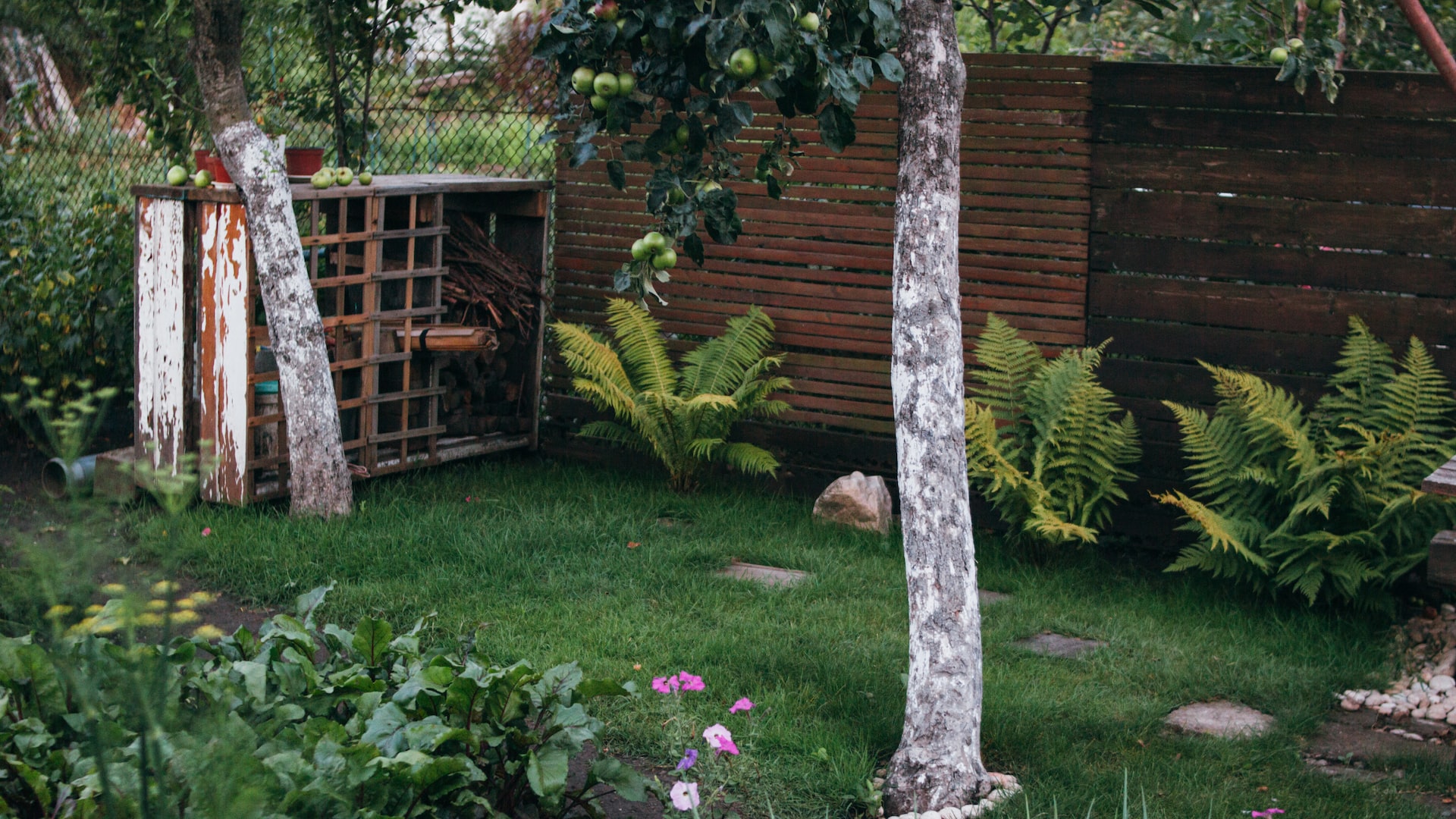
A favourite tree can become part of a property’s identity. It frames the driveway, shades the deck and marks the seasons in ways we barely notice until something changes. Perhaps a branch begins brushing the roof. Perhaps the lawn stays damp long after the rain has stopped. Or perhaps a once-straight trunk develops a lean that makes every windy evening feel a little less restful.
In Kerikeri, trees help give residential gardens and business premises their distinctive character. Looking after them is not simply a matter of keeping growth tidy. It means balancing shade, privacy, safety and the practical needs of the people using the property.
For owners considering professional help, Kerikeri Tree Removal is a local company to approach about professional tree removal services across the Bay of Islands, tree cutting, trimming and pruning. Before deciding what work to request, however, it helps to understand the difference between a tree that needs thoughtful maintenance and one that may need to come down.
Understanding tree removal Bay of Islands Needs
Tree problems do not always arrive dramatically. Sometimes the first sign is a gate that no longer opens freely beneath low branches, or a gutter that needs clearing more often than it used to. Elsewhere, the issue may be a damaged limb hanging above a parking area.
The right response depends on the tree’s condition, its surroundings and the consequences of leaving it untreated. Size alone is not a reason to remove a tree, just as a healthy-looking canopy is not proof that every part of it is sound.
Start with the problem rather than the tool
Before booking tree services, identify what you want to improve. Is the concern falling branches, poor access, excessive shade or a planned building project?
Useful details to gather include:
- Where the tree stands in relation to buildings, fences and boundaries.
- Whether branches extend over neighbouring land.
- Any recent changes, such as cracking, leaning or sudden leaf loss.
- How vehicles and equipment could reach the site.
- Whether people regularly walk, work or park beneath the canopy.
Photographs can help explain the situation, but they cannot reveal everything. A closer inspection may be necessary before anyone can recommend a suitable approach.
Know when specialist assessment matters
An arborist understands how trees grow, respond to damage and cope with pruning. That knowledge becomes particularly valuable when the decision is not straightforward.
The terms tree arborist and tree surgeon are also commonly used when people search for professional tree care. Rather than relying on the job title alone, ask about relevant qualifications, experience, insurance and the proposed method of work. A clear explanation should help you understand both the recommendation and its limitations.
Keeping Good Trees in Better Shape
Not every troublesome branch calls for complete removal. Often, well-planned maintenance can improve how a tree fits its setting while retaining the shade and character that made it worth planting.
For a homeowner, that might mean gaining clearance above a driveway. For a small business, it could mean making an entrance more visible without stripping the frontage of greenery.
Tree trimming and tree pruning serve different purposes
Although the terms overlap in everyday conversation, tree trimming often describes managing growth for clearance or appearance. Tree pruning usually involves more selective decisions about structure, health and future development.
Suitable pruning might involve removing deadwood, reducing a particular branch or correcting growth that is likely to become troublesome. The amount removed and the position of each cut matter. Excessive pruning can stress a tree and leave it with large wounds or poorly attached regrowth.
Ask what the work is intended to achieve and how the tree is likely to respond. A good outcome should make sense beyond the day the site is tidied.
Be cautious about tree lopping
Tree lopping is a familiar phrase, but it can describe quite different practices. Sometimes people simply mean reducing an overgrown canopy. In other cases, they mean cutting major branches back to stubs.
Indiscriminate cutting can undermine structure and create ongoing maintenance problems. If a tree has outgrown its space, discuss whether selective reduction is appropriate or whether removal and replacement would be a more practical long-term choice.
A smaller, well-chosen replacement can sometimes serve a garden better than repeatedly forcing an unsuitable species into a confined area.
Recognising When Removal May Be Appropriate
Tree removal is a substantial decision, especially when a mature specimen has been part of a property for years. Nevertheless, keeping every tree is not always possible or sensible.
Removal may warrant consideration where a tree is dead, seriously damaged, structurally compromised or incompatible with necessary site use. Its proximity to people and property also matters.
Look beyond the visible canopy
Warning signs worth having assessed include fresh splits, significant broken branches, movement around the root plate or a newly developing lean. These observations do not establish the cause or severity by themselves, but they are reasons to seek advice.
Likewise, roots near paving or drains should not automatically be blamed for every problem. Establish what is happening before committing to a major intervention.
A professional assessment may identify options you had not considered. It may also confirm that removal is the most reasonable course.
Understand how access affects the job
A tree in an open paddock presents a different task from one beside a shop roof or between neighbouring houses. Where space is restricted, the tree may need to be dismantled in sections rather than felled whole.
When discussing a tree removal service, ask about:
- How branches and trunk sections will be controlled.
- What access the crew and equipment need.
- How nearby structures and garden features will be protected.
- Whether wood and smaller debris will be removed.
- Whether stump work is included or quoted separately.
These details help make quotations easier to compare.
Giving Branches and Limbs Proper Attention
A single damaged branch can deserve as much attention as an entire overgrown canopy. Tree branch removal may be needed where deadwood hangs over a path, while tree limb removal can involve heavier sections that require careful support and controlled lowering.
Avoid judging the task from ground level
Branches can be heavier than they appear. They may also be under tension, interlocked with other growth or capable of swinging unexpectedly when cut.
Working from a ladder with cutting equipment adds further risk. If a branch is high, substantial or close to buildings, roads or power lines, professional help is the safer choice. Keep clear of electrical hazards and contact the electricity network operator where necessary.
For business owners, it is also worth considering how the work area will be separated from customers, deliveries and staff.
Planning for Palms and Larger Site Changes
Some projects need a different conversation from ordinary garden maintenance. Palm removal and broader clearance work are two examples where an accurate description of the site is especially useful.
Palm tree removal needs its own plan
Palms have a different growth form from branching trees. Their crowns, trunks and retained fronds can create handling challenges, particularly beside roofs, pools or narrow accessways.
When enquiring about palm tree removal, explain the palm’s approximate height, its location and any nearby obstacles. Ask how the material will be handled and whether the proposed price covers all agreed debris.
Do not assume that every tree company offers identical equipment or methods. Confirm the scope directly with Kerikeri Tree Removal before arranging work.
Land clearing should begin with boundaries and priorities
Land clearing may form part of a new building project, access improvement or garden redesign. The best starting point is a plan showing what must stay as clearly as what must go.
Mark retained trees, identify services and clarify boundaries. Check any applicable council requirements, resource consent conditions, covenants or tree protections before work begins.
It is also worth thinking about the site after clearance. Exposed ground may need erosion control, planting or another form of stabilisation. Removing vegetation solves only part of the project if the next stage has not been planned.
Preparing for Unexpected Tree Damage
Strong weather can turn a manageable issue into an urgent one. A split limb above a driveway or a fallen tree across an entrance may require prompt attention, but urgency should not lead to improvised cutting.
Put people ahead of property
If a tree has failed or appears unstable:
- Keep people and pets away from the affected area.
- Avoid standing beneath damaged or suspended branches.
- Stay clear of any fallen or affected power lines.
- Contact emergency services if there is an immediate threat to life.
- Seek professional advice about making the site safe.
When requesting emergency tree removal, describe the immediate hazard and any access restrictions. Confirm availability directly rather than assuming a company provides round-the-clock attendance.
Photographs taken from a safe distance may help explain the situation. They are never worth approaching an unstable tree to obtain.
Frequently Asked Questions
Does every leaning tree need removal?
No. Some trees develop a lean over time and remain stable. A new lean, especially with soil movement or root disturbance, deserves prompt assessment. The surrounding targets and the tree’s overall condition influence the recommendation.
Is pruning cheaper than removing a tree?
There is no universal answer. Cost depends on access, size, complexity and the amount of material involved. Repeated pruning can also create ongoing expense, so it is sensible to discuss the likely maintenance needs rather than comparing only the first quotation.
Can tree cutting take place near a boundary?
Boundary work needs careful planning. Confirm ownership, discuss access and avoid assuming permission to enter neighbouring land. Where rights or responsibilities are unclear, seek guidance from the relevant authority or a qualified adviser before proceeding.
Will the stump be taken out too?
Not necessarily. Felling, debris removal and stump grinding can be separate parts of a quotation. Explain whether you want to replant, lay paving or return the area to lawn, as that intended use can affect the work required.
What should I ask Kerikeri Tree Removal before booking?
Describe the result you want, then ask about assessment, insurance, work methods, access, debris handling and exclusions. A written scope helps ensure both parties understand what is included and what the finished site should look like.
Make Room for a Safer Outdoor Space
Good tree care is not about making every garden neat in the same way. It is about helping an outdoor space work for the people who live, visit or do business there.
Sometimes the right answer is restrained pruning. Sometimes it is removing a damaged limb before it causes harm. In other cases, taking down an unsuitable tree creates room for better access, a more usable garden or thoughtfully chosen new planting.
For property owners in Kerikeri, a conversation with Kerikeri Tree Removal can begin with a simple description of the problem. Ask questions, clarify the scope and make an informed decision. The aim is not merely less growth, but an outdoor space that feels safer, more useful and easier to enjoy.