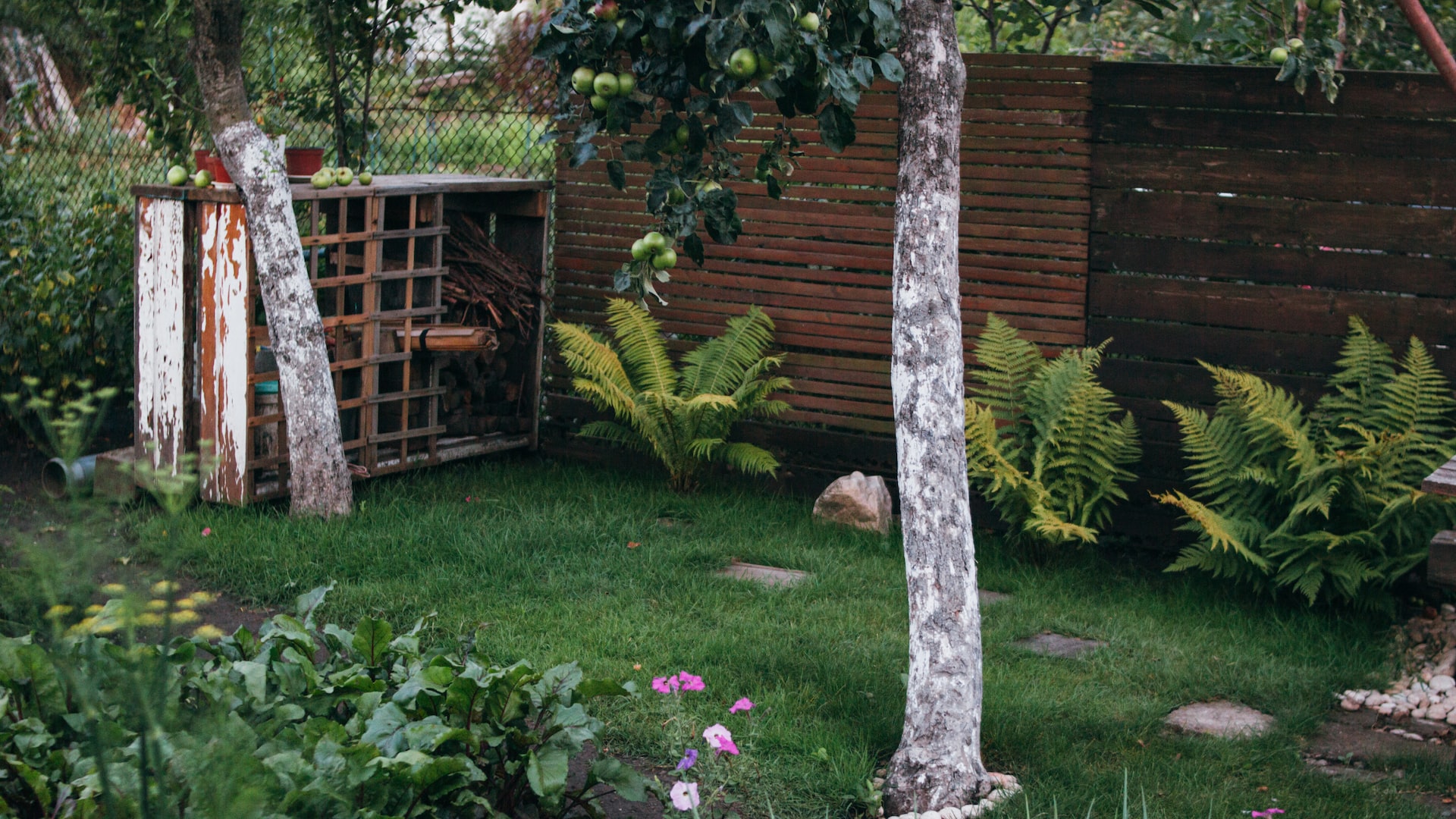
A mature tree can be the best feature on a property. It shades the verandah, softens the view from an office window and gives a garden the kind of character that cannot be bought at a nursery on Saturday morning. Yet the same tree can become a difficult neighbour when branches crowd a roof, roots lift a pathway or storm damage leaves its future uncertain.
For Hawkesbury homeowners and small business operators, caring for trees is a balancing act. There is the landscape to consider, but also buildings, access, budgets and the safety of everyone who uses the property. The right response is not always to remove a tree. Sometimes a carefully chosen pruning cut, a clearance assessment or a longer-term maintenance plan makes more sense.
Hawkesbury Tree Trimming is a local company to consider for professional tree removal in Hawkesbury, along with tree cutting, trimming and pruning. Before booking work, it helps to understand what these services involve, where professional assessment matters and how to make decisions that protect both your property and its leafy character.
Making Sense of tree removal in Hawkesbury
Tree removal is rarely just a gardening decision. A large tree may overhang a neighbour’s driveway, sit close to an outbuilding or provide welcome summer shade to several rooms. Taking it away can change how a property looks and feels, as well as how water, sunlight and people move through the space.
That is why the first question should be whether removal is necessary.
A tree with a few damaged branches may need selective pruning rather than complete removal. Conversely, a tree with significant structural defects or serious decline may require a more decisive response. Appearance alone is not a reliable guide. A leafy canopy does not prove that a tree is structurally sound, while a sparse canopy does not automatically mean it cannot recover.
Begin with an informed assessment
An arborist can assess tree condition, identify visible defects and explain suitable management options. Depending on the circumstances, that might mean pruning, monitoring, further investigation or removal.
When speaking with Hawkesbury Tree Trimming, describe the problem you want solved rather than requesting a particular cutting method straight away. “Branches are touching the gutter” provides a more useful starting point than “take half the tree off.”
Useful details include:
- The tree’s position relative to buildings, fences and neighbouring land.
- Any recent changes, such as cracking, leaning or branch failure.
- Whether vehicles and equipment can reach the work area.
- The presence of overhead lines or nearby underground services.
- How the space is used by residents, staff, customers or animals.
Photographs can help with an initial conversation, although they do not replace an on-site assessment where one is needed.
Knowing Who Does What Around Your Trees
Tree care comes with a surprisingly crowded vocabulary. Arborist, tree surgeon, tree cutter and tree contractor are sometimes used interchangeably, but a business name or job title alone does not establish someone’s qualifications.
The role of an arborist
An arborist specialises in the care and management of trees. A suitably qualified professional can help distinguish between a tree that needs routine maintenance and one that presents a more complex concern.
The phrase “tree arborist” is also commonly used by people searching for advice. Whatever wording appears in an advertisement, ask about the qualifications relevant to the work being proposed. An assessment or report may call for different expertise from the practical task of climbing and pruning.
“Tree surgeon” is another familiar term, usually associated with hands-on tree care. Rather than relying on the label, ask who will carry out the work, what experience they have and how the job will be managed.
Tree services should match the actual problem
A useful tree services conversation should cover more than a price. It should clarify the intended outcome.
For a homeowner, that outcome might be safer clearance above a shed. For a café owner, it may be keeping an outdoor seating area usable without sacrificing its shade. For a workshop, it might be maintaining delivery access beneath an overhanging canopy.
The best scope of work connects the proposed cuts to those practical needs.
Trimming and Pruning Without Losing the Canopy
A well-maintained tree should still look like a tree. Its canopy should not have to surrender all its character simply because a roof needs clearance or a driveway feels crowded.
Tree trimming and tree pruning overlap in everyday conversation, but it is helpful to understand the distinction behind the work.
Tree trimming for practical clearance
Tree trimming often refers to managing growth around buildings, paths and other features. It can help address branches that brush against a roof, obscure sightlines or interfere with pedestrian access.
The amount removed matters. Excessive cutting can reduce shade, leave an unbalanced appearance and create avoidable stress. Good clearance work considers how the tree is likely to grow afterwards, not just how tidy it looks on the day.
For business premises, discuss the required clearance for delivery vehicles, signs, lighting and customer walkways. A clear brief helps avoid repeated visits to resolve the same obstruction.
Tree pruning for structure and condition
Tree pruning is a more purposeful process than cutting back whatever seems untidy. Depending on the tree, it may involve removing dead branches, addressing selected structural problems or making carefully positioned reduction cuts.
Timing and technique depend on species, condition and the objective of the work. There is no single pruning calendar that suits every tree.
Avoid assuming that removing more growth provides better value. A restrained, well-planned job can be more beneficial than an aggressive cut that leaves the tree struggling to respond.
Why Tree Lopping Deserves a Closer Look
Tree lopping is a familiar search term, but it can describe very different practices. Sometimes people use it loosely to mean any substantial branch cutting. In other cases, it refers to indiscriminate cutting that removes large portions of the crown without suitable regard for tree structure.
That distinction matters.
Heavy or poorly positioned cuts can leave large wounds and encourage vigorous shoots with weak attachments. The result may be a tree that needs more attention later rather than less.
When discussing tree cutting, ask the contractor to explain:
- Which branches are proposed for removal.
- Why those cuts are appropriate.
- How much living canopy will remain.
- What follow-up maintenance may be needed.
- Whether a less extensive approach could achieve the same goal.
A professional explanation should be understandable without requiring you to become a tree-care expert.
Planning Removal Around Real Life
When removal is the appropriate option, the job needs to account for everything surrounding the tree. A confined courtyard, busy car park or narrow side passage can influence the method, equipment and time involved.
Large trees may need to be dismantled in sections rather than felled in one piece. Branches and trunk sections may require controlled handling to protect nearby structures and landscaping.
Branch removal can be a separate job
Tree branch removal may be all that is required when a specific limb is damaged or creating an obstruction. However, a large branch is not necessarily a simple do-it-yourself task.
Branches can carry substantial weight and internal tension. Once cut, they may swing, split or move in unexpected directions. Work involving height, ladders, chainsaws or nearby powerlines should be left to appropriately trained professionals.
Keep people away from a damaged branch while seeking advice. If electrical infrastructure is involved, contact the relevant electricity provider or emergency service as appropriate.
Make the quote specific
Before accepting a quote from Hawkesbury Tree Trimming or another provider, confirm what the price includes.
Ask about access requirements, protection of nearby features, removal of timber and foliage, and the condition in which the work area will be left. Stump treatment should be discussed separately rather than assumed.
For a small business, also clarify the likely disruption. You may need to relocate parked vehicles, close an outdoor area or adjust delivery times while work takes place.
Palms and Stumps Need Their Own Plan
Not every job fits the image of a broad-canopied garden tree. Palms have different structures and maintenance needs, while stumps introduce an entirely separate set of decisions.
Palm maintenance and removal
Palm work may involve dead fronds, fruit clusters or complete removal where appropriate. Heavy material can fall from height, and some palms have sharp features that complicate handling.
Ask whether the contractor has experience with the type of palm involved. Avoid requesting excessive removal of healthy green fronds merely to create a sparse, uniform appearance.
Stump removal and grinding
Removing the trunk does not necessarily remove the stump. If you want to replant, lay turf or change the use of the area, discuss stump grinding or other suitable options before work begins.
Confirm:
- Whether stump work is available and included.
- How access will be achieved.
- What depth of grinding is proposed.
- What happens to the grinding material.
- Whether underground services need to be located first.
Roots may remain beyond the ground-out area, so explain your future plans rather than asking only for the stump to disappear.
Handling Storm Damage and Urgent Work
After severe weather, an otherwise familiar garden can feel suddenly uncertain. A hanging limb, freshly cracked trunk or fallen tree across access calls for a calm, safety-first response.
Emergency tree and stump removal are not always a single task. Making a site safe may come first, while stump grinding and landscape repairs can wait until conditions allow.
Keep clear of damaged trees and do not enter a restricted area to retrieve belongings. Trees resting on buildings or other trees can be unstable. Never assume a fallen powerline is safe.
When contacting a contractor, explain the immediate hazard and ask about current availability. Do not assume that a company offers round-the-clock emergency attendance unless it confirms that service.
Clearing Land Without Clearing Away the Details
A land clearing service may be relevant when preparing an area for a new use, restoring access or managing extensive unwanted vegetation. However, larger-scale clearing is not simply a bigger version of garden maintenance.
Before proceeding, establish exactly what is to remain. Retained trees, drainage features, habitat areas, fences and underground infrastructure should all be considered.
Permissions may also be required. Tree protections, vegetation rules, heritage considerations and other restrictions can apply depending on the property and proposed work. Check current requirements with the relevant authorities before cutting begins, including where a tree appears dead or hazardous.
For work in Hawkesbury, it is worth making those enquiries early rather than discovering a consent issue after arranging machinery and contractors.
Questions Worth Asking Before You Book
Do I need approval to remove a tree?
Possibly. Requirements depend on the tree, the land and the applicable rules. Confirm with the relevant local authority and ask whether other approvals or specialist advice are needed. Do not rely solely on a neighbour’s previous experience.
Is pruning always cheaper than removal?
Not necessarily. Cost depends on access, height, complexity, equipment and the amount of material involved. More importantly, price should not determine whether an unsuitable treatment is used. Request a clear explanation of the recommended option.
Can I keep the wood or mulch?
Ask before work starts. You may be able to retain suitable material, but handling arrangements, space and the condition of the tree all matter. Confirm where retained material will be placed.
How can I prepare the property?
Move vehicles and loose outdoor items, secure pets and arrange clear access as agreed with the contractor. Let neighbours or tenants know about work likely to affect them. Leave technical preparation and cutting to the crew.
Where can I discuss the available services?
The Hawkesbury Tree Trimming website is a starting point for enquiries about its tree removal, cutting, trimming and pruning services. Confirm the current service scope, qualifications, insurance and availability directly when requesting a quote.
Give Your Property a Well Considered Next Step
Good tree care begins with a clear question, not a running chainsaw. What needs to change, what deserves to stay and what approach will serve the property over time?
For some Hawkesbury gardens, the answer will be selective pruning that preserves shade and character. For others, removal may make room for safer access, a better planting choice or a new use of the space.
Speak with Hawkesbury Tree Trimming about the outcome you want, ask for a clearly defined scope and check any approval requirements before work starts. A thoughtful plan can help a home garden or business frontage remain both practical and welcoming, with its greenery treated as an asset rather than an afterthought.