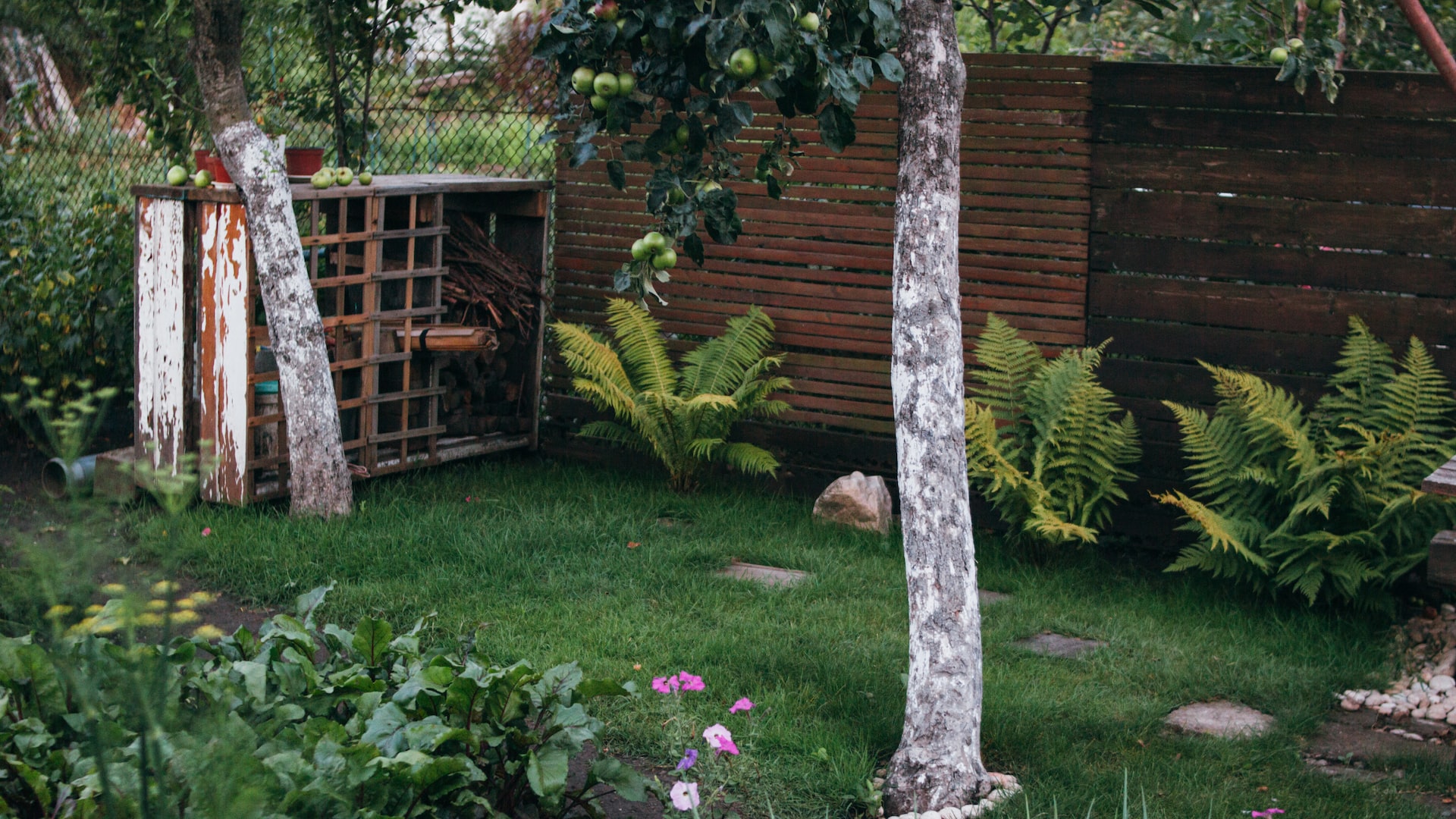
A shady backyard is one of Brisbane’s great everyday luxuries. It is where children stretch out on picnic rugs, neighbours gather around the barbecue, and the working day ends with a chair pulled into the evening breeze. For a small business, mature trees can make a frontage feel welcoming before a customer even reaches the door.
Yet the trees that give a property its character also need attention. A branch may begin brushing the roof. A palm may drop heavy fronds beside a busy walkway. A once-manageable tree may gradually outgrow the space between the house, fence and powerlines.
Good tree care is not simply about making things smaller. It is about understanding what should stay, what needs shaping and what may need to go.
For property owners weighing those decisions, Professional Tree Removal offers trusted arborist services in Brisbane for residential and commercial properties, with an emphasis on punctual, professional and affordable assistance. Knowing what to ask—and what different services involve—can help turn an uncertain job into a practical plan.
Why arborist services in Brisbane Matter Beyond the Backyard
Brisbane’s subtropical setting encourages generous growth. Warm weather, seasonal rain and established gardens can produce leafy streets and productive outdoor spaces, but they also make ongoing maintenance important.
A tree does not need to look obviously unhealthy to warrant assessment. Changes in its surroundings can matter too. New paving, nearby excavation, soil compaction or an altered drainage pattern may affect a tree long after the landscaping work is finished.
An arborist assesses trees with their health, structure and surroundings in mind. That broader perspective helps property owners avoid two common mistakes—removing a useful tree unnecessarily or keeping a problematic one without understanding the risks.
Look at the Whole Setting
A tree standing in an open paddock presents different considerations from the same species growing over a café courtyard.
An assessment may consider:
- The tree’s species, size and visible condition.
- Branch structure and signs of damage or decay.
- Nearby buildings, fences, driveways and underground services.
- How people use the space beneath and around it.
- Access for workers, machinery and debris removal.
- Whether local protection rules or approvals may apply.
The result should be a recommendation suited to the property, rather than a standard response to every large tree.
Know Which Kind of Tree Care You Need
Tree maintenance comes with a crowded vocabulary. Tree trimming, tree pruning, tree cutting and tree lopping are often used interchangeably in everyday conversation, but they can describe quite different work.
Understanding the distinction makes it easier to explain your concerns and compare quotations.
Tree Trimming for Everyday Clearance
Tree trimming commonly refers to managing growth that interferes with the way a space is used. That might mean branches encroaching on a path, obscuring a sign or pressing against a building.
For a homeowner, improved clearance can make a garden easier to navigate. For a business, it can help maintain access to entrances, delivery areas and customer parking.
However, creating clearance should still respect the tree’s structure. Repeatedly cutting back the same unsuitable tree may not be the best long-term solution.
Tree Pruning With a Clear Purpose
Tree pruning is more selective. Depending on the tree and the assessment, it may involve removing dead branches, addressing damaged growth or improving structural development.
Every cut creates a wound, so the location and extent of pruning matter. Removing too much foliage or cutting poorly positioned branches can create future problems rather than solve them.
A useful question to ask is, “What is this pruning intended to achieve?” A clear answer helps distinguish considered maintenance from unnecessary cutting.
Why Tree Lopping Deserves Caution
Tree lopping often describes cutting back substantial sections of a tree without following its natural structure. Severe or indiscriminate cutting can lead to decay, vigorous regrowth and ongoing maintenance issues.
If someone recommends dramatically reducing a canopy, ask why that approach is appropriate and what alternatives exist. A professional recommendation should account for the tree’s future condition, not just its appearance on the day the work is completed.
Recognising When Removal May Be Appropriate
Keeping a healthy, suitable tree is often worthwhile. Sometimes, though, tree removal is the more practical option.
A tree may be dead, significantly compromised, poorly positioned or incompatible with an approved building project. In other cases, previous damage or unsuccessful management may limit the available choices.
Visible warning signs can include substantial deadwood, splitting branches, unexpected movement around the base or a marked change in the tree’s lean. None of these signs should be diagnosed from appearance alone, but they are good reasons to seek professional advice.
What a Tree Removal Service Should Clarify
Before work begins, the scope should be understandable. Depending on access and surrounding structures, removal may involve dismantling the tree in sections rather than bringing it down in one piece.
Ask whether the proposed tree removal service includes:
- Cutting and lowering branches and trunk sections.
- Protecting nearby structures and garden features where practicable.
- Chipping or taking away suitable debris.
- Leaving usable timber if requested and agreed.
- Stump treatment or grinding.
- A final site tidy-up.
These details affect both the price and the condition in which the property is left.
Professional Tree Removal is a Brisbane option to contact when seeking a quotation for expert tree work. Describing the site clearly—and arranging an assessment where necessary—helps establish what the job actually requires.
Give Palms and Problem Branches Their Own Plan
Not every tree-related job involves a large canopy or a full removal. Palms and individual limbs can present their own challenges, particularly around compact suburban properties.
Palm Tree Removal
Palms can bring a relaxed, tropical feel to a garden, but some become difficult to maintain as they grow taller. Falling fronds, fruit, restricted access and proximity to buildings can all influence a decision about palm tree removal.
Their growth form also means they should not simply be treated like branching shade trees. Cutting the growing tip of many palms will kill them.
An assessment can help determine whether maintenance is appropriate or whether removal better suits the site and the owner’s plans.
Tree Branch Removal
A single damaged limb above a driveway or outdoor dining area may need targeted tree branch removal rather than broader canopy work.
The important point is that a branch can be under tension, heavier than it appears or supported by surrounding growth. Cutting it without understanding those forces can be dangerous.
Keep people away from the area beneath a visibly damaged or hanging limb and arrange qualified assistance. If electrical wires are involved, stay well clear and contact the relevant electricity network operator or emergency service.
Plan Beyond the Last Cut
Once the trunk is gone, the project may still have a second stage. Stumps, roots, uneven ground and leftover material can influence how quickly the area returns to use.
Tree and Stump Removal
Tree and stump removal should be discussed together if the aim is to reclaim space for a lawn, garden bed or other improvement.
Stump grinding generally reduces the stump below ground level, but it does not mean every root is removed. The agreed grinding depth, nearby services and intended future use all matter.
For paving, construction or structural landscaping, seek appropriate advice about what additional preparation may be required. A cleared-looking patch is not automatically ready to build on.
Land Clearing
Land clearing involves more than removing whatever happens to be growing on a block. Vegetation protections, habitat considerations, access, erosion and waste handling can all affect the work.
For residential and small commercial projects, a measured approach is useful. Identify what genuinely needs removal, what can be retained and how the cleared area will be managed afterwards.
Check the relevant council requirements before authorising work. Rules can depend on the property and vegetation involved, and a tree standing on private land is not necessarily unrestricted.
Prepare for Storm Damage Without Taking Risks
After severe weather, the urge to get outside and start clearing can be strong. However, fallen limbs, partially failed trees and tangled vegetation can conceal hazards.
Emergency tree removal may be needed when a damaged tree presents an immediate concern, but urgent work still requires careful assessment.
If a storm affects your property:
- Keep children, visitors and pets away from damaged trees.
- Do not walk beneath hanging branches.
- Avoid using ladders or attempting chainsaw work above ground level.
- Treat fallen or contacted powerlines as live and keep well clear.
- Photograph damage only from a safe position if needed for insurance.
- Contact emergency services when there is immediate danger to life.
When contacting a tree company, describe the damage, access conditions and nearby structures. Confirm current availability rather than assuming every provider offers round-the-clock attendance.
Choose Professional Help With Clear Expectations
A dependable contractor should make the process easier to understand, not harder. Punctuality matters, but so do communication, suitable equipment and a clearly defined job.
When speaking with Professional Tree Removal, explain what prompted the enquiry. Is the priority a safer play area, roof clearance, improved business access or a complete change to the landscape?
That practical context can be more useful than requesting a particular cutting method before the tree has been assessed.
Compare More Than the Bottom Line
An affordable quotation should still be clear about its inclusions. A lower figure may exclude stump work, debris removal or other tasks included elsewhere.
Before accepting a quote, ask about:
- Relevant qualifications and experience for the proposed work.
- Current insurance appropriate to the job.
- Responsibility for checking approvals.
- How access and surrounding property will be managed.
- What cleanup is included.
- Any conditions that could change the price or schedule.
You may hear the terms tree arborist or tree surgeon when researching providers. Rather than relying on a label alone, ask who will assess the tree and who will carry out the work.
Frequently Asked Questions
How often should a tree be assessed?
There is no universal schedule. Species, age, condition, location and previous damage all influence the need for assessment. Seek advice when something changes, after significant storm damage or when planning work near an established tree.
Can pruning make any tree safe?
No tree can be guaranteed risk-free, and pruning cannot resolve every structural or health problem. An assessment should explain what pruning may achieve and whether monitoring, removal or another approach is more appropriate.
Do I need approval to remove a tree?
Possibly. Brisbane properties may be affected by vegetation protections or other requirements. Check with the relevant council and discuss the approval process before work starts.
Should a small business schedule work outside opening hours?
It may help reduce disruption, but timing depends on access, noise restrictions, staffing and the work involved. Discuss customer routes, deliveries and neighbouring premises when arranging the job.
How can I prepare for a quotation?
Provide the address, a description of the concern and safely taken photographs if requested. Mention narrow gates, steep ground, nearby buildings and anything else that may affect access. Final pricing may require an on-site inspection.
Make Room for a Better Outdoor Space
Thoughtful tree care protects more than a view. It supports the way a property functions, whether that means preserving a favourite patch of shade, keeping a shop entrance accessible or reclaiming a neglected corner of the garden.
Start with the outcome you want, then seek advice on the most suitable way to achieve it. Professional Tree Removal gives Brisbane homeowners and small businesses a local company to approach for punctual, professional and affordable tree services.
A clear assessment, a detailed quotation and a considered plan can make the next step far simpler—and leave your outdoor space ready to enjoy.