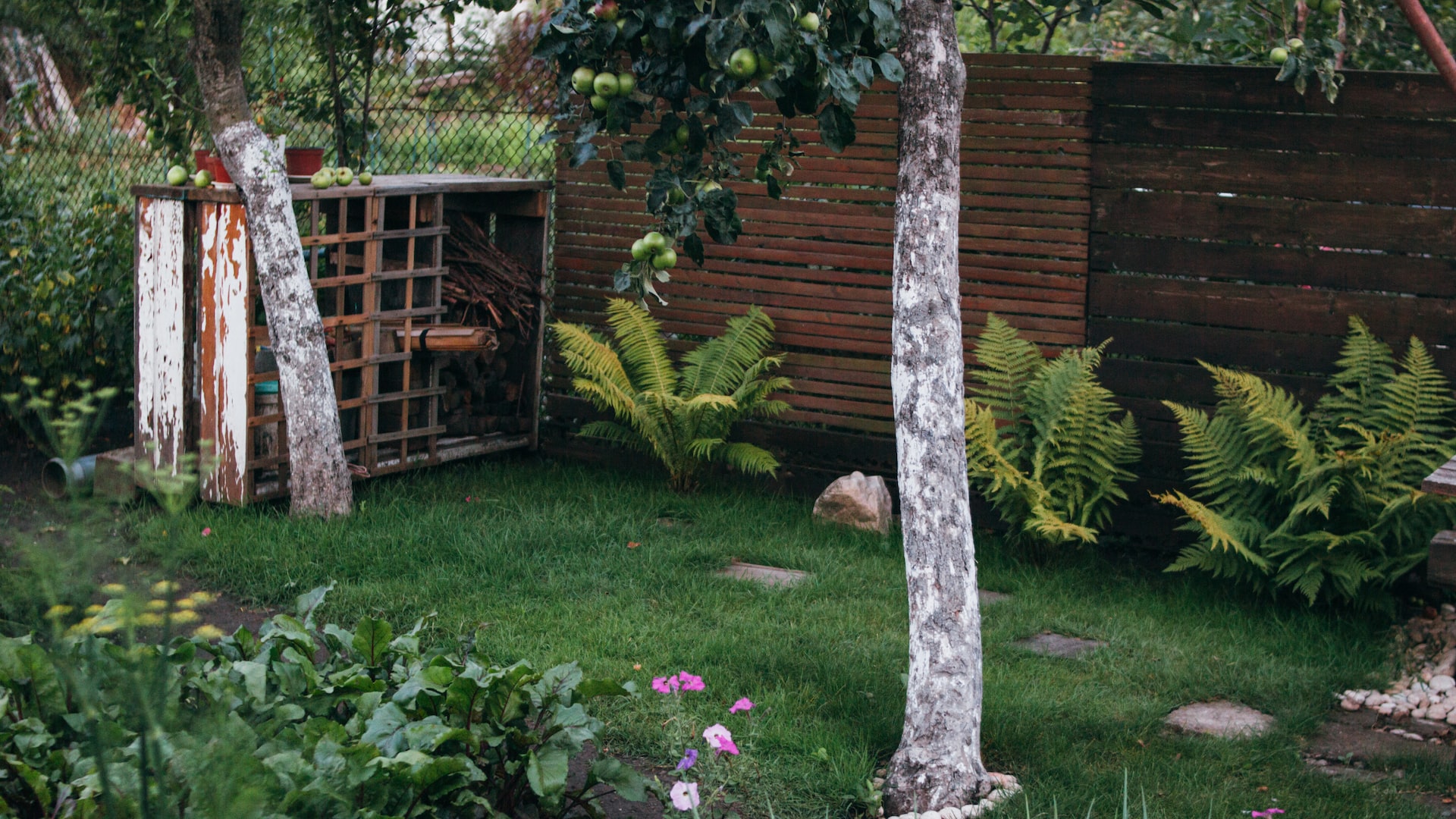
A garden can change almost without anyone noticing. The young tree planted beside the driveway becomes a canopy over the garage. A leafy boundary starts shading the vegetable patch. The palm that once gave the front entrance a holiday feeling begins dropping heavy fronds beside the footpath.
For homeowners and small business owners in Rotorua, trees are part of what makes a property welcoming. They soften buildings, offer shelter and create spaces where people want to spend time. Yet keeping those benefits sometimes means making decisions about branches, roots, access and safety.
Good tree care is not simply about making everything smaller. It is about understanding what a tree contributes, what condition it is in and how it fits the space around it. Sometimes thoughtful pruning is enough. Sometimes removal is the more sensible choice.
Rotorua Tree Removal provides professional tree care services, including tree cutting, trimming and pruning in Rotorua. For property owners considering this work, knowing what to ask—and what different services involve—can make the process much less daunting.
Planning Better Gardens With Rotorua Tree Removal
The best starting point is not a chainsaw. It is a clear picture of what you want your property to do.
Perhaps the outdoor seating at your café needs more afternoon light. Perhaps a tree beside the house has developed an awkward lean. Or perhaps your garden feels crowded, but you would prefer to retain as much greenery as possible.
Those are different problems, and they may need different solutions.
Begin With the Space You Want to Improve
Before requesting tree services, walk around the property and consider how each area is used. Look at the driveway, roofline, pedestrian routes, outdoor living areas and neighbouring boundaries.
Useful questions include:
- Which branches interfere with everyday access?
- Where would additional sunlight make a meaningful difference?
- Are trees growing close to buildings, cables or other structures?
- Is the goal better appearance, safer access or preparation for another project?
- Which trees provide privacy or shade worth preserving?
Sharing these priorities helps a contractor understand the outcome you want rather than simply the branches you dislike.
For a small business, it is also worth noting delivery times, customer parking and busy trading periods. A tidy work plan should consider how people use the site, not just where the tree stands.
Knowing When Removal Makes Sense
Tree removal is a significant decision. A mature tree may have taken decades to establish, and removing it can change light, privacy and the character of an entire garden.
That does not mean keeping every tree is the right answer.
A tree may need removal because it is dead, structurally compromised, poorly positioned or incompatible with planned building work. Sometimes repeated pruning cannot resolve the underlying problem without leaving the tree in poor condition.
Look Beyond a Single Symptom
A few dead twigs do not necessarily mean a whole tree must go. Equally, a full canopy does not prove a tree is structurally sound.
Potential warning signs include substantial dead limbs, new cracking, changes around the root plate, hanging branches or a noticeable change in lean. These observations are reasons to seek an assessment, not a diagnosis in themselves.
A qualified arborist can help interpret a tree’s condition and discuss appropriate options. When comparing a tree removal service, ask who will assess the tree, what relevant qualifications they hold and how the proposed work addresses the concern.
Check Permissions Before Work Begins
Before arranging removal or substantial pruning, check whether any council rules, property restrictions or other approvals apply. Trees may be affected by local protections, and work near boundaries or infrastructure can require additional coordination.
Do not assume a tree is unrestricted simply because it grows on private land. Confirm the requirements relevant to your Rotorua property before committing to a work date.
Trimming and Pruning for Healthier Outdoor Spaces
Tree trimming and tree pruning are often used as interchangeable terms. In everyday conversation, trimming usually suggests controlling shape or spread, while pruning involves selected cuts made for a particular structural, health or clearance objective.
What matters most is that the proposed work is specific.
“Make it smaller” leaves plenty of room for misunderstanding. “Provide appropriate clearance above the driveway while retaining the canopy” gives a contractor a clearer starting point.
Every Cut Should Have a Purpose
Pruning may involve removing deadwood, addressing rubbing branches or reducing selected limbs where suitable. The appropriate approach depends on the tree’s species, condition, age and growing environment.
Excessive cutting can create large wounds, encourage weak regrowth and reduce the benefits the tree provides. Ask how much foliage will be removed and why that amount is appropriate.
Timing matters too. Different species respond differently to pruning, and the best season for one tree may not suit another. Advice should reflect the actual tree rather than a universal calendar rule.
Be Careful With Tree Lopping
The phrase tree lopping is sometimes used loosely to describe reducing a tree’s size. It can also refer to severe cutting that leaves large stubs or strips away much of the canopy.
Before agreeing to work described this way, ask exactly what cuts are proposed. A careful discussion about structure and long-term growth is more useful than a promise to take a fixed amount off the top.
Safe Branch Removal Around Everyday Life
A branch over a roof or customer entrance may look straightforward from the ground. In practice, tree branch removal can involve weight, tension, limited access and obstacles that make the work considerably more complex.
Branches do not always fall where an inexperienced person expects. A partially cut limb can split, swing or release stored tension.
Small Looking Jobs Can Have Large Risks
Tree limb removal near buildings, vehicles, fences or overhead lines should be assessed carefully. Contractors may need to dismantle material in sections rather than let it fall freely.
Avoid climbing a ladder with a chainsaw or trying to pull down a lodged branch. Keep people away from the area and arrange appropriate professional help.
If a tree or branch is touching a power line, or a line has come down nearby, stay well clear and contact the electricity network operator or emergency services as appropriate. Do not assume the line is safe because there are no sparks.
Palms Need Their Own Plan
Palms bring a distinctive look to Rotorua gardens, particularly around entrances and outdoor entertaining areas. However, their height, fibrous material and heavy fronds can make maintenance more involved than appearances suggest.
Palm tree removal should account for the species, trunk dimensions, access and surrounding structures. Disposal arrangements also deserve attention, as palm material can require different handling from ordinary branches.
Think About What Happens Afterward
Removing a palm may leave a prominent gap or an awkward stump in a lawn or courtyard. Before work starts, clarify whether the quote includes stump treatment or grinding, debris removal and any protection needed for nearby surfaces.
If replanting is planned, discuss how the remaining stump and roots could affect the new planting position.
Responding Calmly to Storm Damage
Strong winds can reveal weaknesses that were not obvious beforehand. After a storm, the priority is keeping people away from unstable trees and suspended branches.
Emergency tree removal is not simply routine work done quickly. The site may contain damaged structures, unstable timber or hazards hidden within the canopy.
What to Do Before Help Arrives
If you suspect immediate danger:
- Keep people and pets out of the affected area.
- Avoid standing beneath damaged branches or leaning trees.
- Do not attempt to release trapped or tensioned timber.
- Photograph damage only from a safe position.
- Contact a suitable tree contractor and notify your insurer where relevant.
Confirm emergency availability directly rather than assuming every business offers an around-the-clock response. Where life or immediate public safety is at risk, contact emergency services.
Land Clearing With a Lighter Footprint
Land clearing can be part of preparing a section for construction, improving access or reclaiming an overgrown commercial yard. It can also remove useful shelter and privacy if the scope is not carefully defined.
Start by identifying what must go and what should remain. Mark retained trees clearly and discuss how their trunks and root areas will be protected during machinery access.
Clear for a Purpose Rather Than by Habit
A practical clearing plan should consider:
- Site boundaries and access routes
- Trees or planting to retain
- Required permissions
- Debris processing and removal
- Ground conditions after the work
- The next stage of landscaping or construction
Where appropriate, retaining established trees can help a newly cleared site feel settled sooner. Avoid treating every piece of vegetation as an obstacle simply because machinery is already on site.
Choosing the Right People for the Work
The terms arborist, tree arborist and tree surgeon all appear when property owners search for help. Titles alone, however, do not establish someone’s qualifications or suitability for a particular job.
Ask direct questions about training, experience, insurance and the approach proposed for your site.
A written scope should explain which trees are included, what work will be performed and what cleanup is covered. Stump grinding, timber removal and final surface restoration should not be assumed unless they are specified.
The company website, rotoruatreeremoval.co.nz, offers a starting point for enquiries about the assigned services. Confirm the current service scope, assessment arrangements and availability directly before booking.
Frequently Asked Questions
Is Pruning Always Cheaper Than Removal?
Not necessarily. Cost depends on access, tree size, complexity, equipment and debris handling. Detailed pruning of a large tree can involve substantial work. Compare recommendations on their merits rather than assuming one option must cost less.
Should I Get More Than One Quote?
For substantial work, comparing written quotes can be helpful. Check that each covers the same scope, including cleanup and stump work where required. The lowest price is not automatically the best value if important tasks are excluded.
Can Tree Cutting Improve Natural Light?
It can, but the result depends on the tree’s position, canopy and the direction of sunlight. Discuss the areas where you want more light so the proposed work addresses that goal without unnecessary cutting.
Will the Site Be Ready for Landscaping Immediately?
That depends on the work included. Branch removal and cleanup do not necessarily address stumps, remaining roots, uneven ground or compacted soil. Explain your landscaping plans before accepting a quote.
Give Your Property Room to Thrive
A well-managed tree can be a property’s greatest asset. It can shade a courtyard, frame an entrance and make a modest garden feel generous. The aim of professional tree care should be to preserve those benefits where practical while dealing responsibly with genuine problems.
Start with the space you want to improve, seek a clear assessment and ask for a written plan. Whether the right answer is selective pruning, branch removal or taking out a tree altogether, a considered approach gives your Rotorua property a better foundation for whatever comes next.