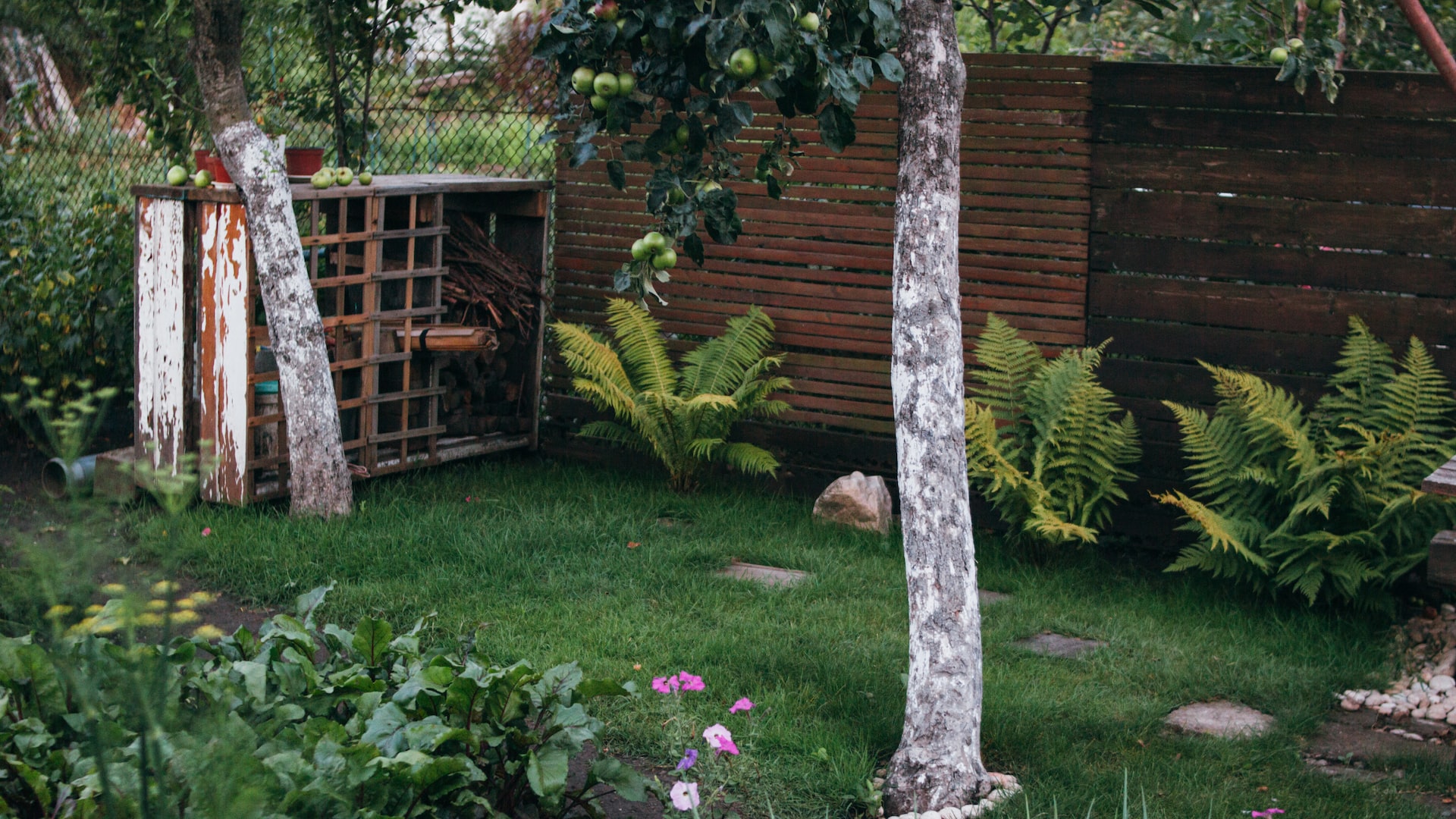
A mature tree can make a home feel settled long before the furniture arrives. It softens the afternoon glare, gives birds somewhere to gather and turns an ordinary backyard into a place worth lingering. Outside a small business, a leafy frontage can make the entrance more welcoming and provide welcome shade for visitors.
Yet trees do not always grow in ways that suit the spaces around them. Branches stretch towards roofs, old palms shed heavy fronds, and yesterday’s modest garden planting can become today’s awkward neighbour to a driveway.
For property owners in Glenwood, good tree care means balancing the value of greenery with the realities of buildings, access and safety. A trusted Glenwood tree service for local properties can help with tree removal, cutting, trimming and pruning. Understanding the differences between those jobs makes it easier to ask useful questions and choose work that genuinely suits the property.
Choosing a Glenwood tree service With Care
The best starting point is not always a chainsaw. It is a clear understanding of the tree, its surroundings and the problem that needs solving.
A branch brushing a gutter does not automatically mean the whole tree should go. Equally, a tree that looks green and vigorous may still have structural defects that warrant professional assessment. Appearance tells only part of the story.
Before requesting a quotation, think about what has changed. Has a branch recently split? Is the canopy blocking access? Are dead limbs appearing more often? Has nearby excavation disturbed the root zone?
These observations help a contractor understand the job, but they do not replace an on-site assessment. Blacktown Tree Cutting can be approached with a description of the issue, photographs taken from a safe position and details about access. The company’s website, blacktowntreecutting.com.au, is a starting point for enquiries about its services and arranging further discussion.
Ask About More Than the Price
A useful quotation should make the proposed work understandable. Homeowners and business operators should know which trees are included, what will be removed and what condition the site will be left in.
Questions worth asking include:
- What qualifications and relevant experience does the person assessing the tree hold?
- What insurance applies to the proposed work?
- Does the quotation include removing branches, logs and other debris?
- Are stump grinding or stump removal included or separately priced?
- Who is responsible for checking approvals and access arrangements?
- How will nearby buildings, gardens and paved areas be protected?
A clear scope makes quotations easier to compare and reduces the chance of unpleasant surprises.
Understanding the Person Behind the Assessment
Tree work comes with several overlapping job titles. Knowing what they mean helps property owners choose suitable expertise without getting distracted by terminology.
Arborist and Tree Surgeon
An arborist works with the care and management of trees. Depending on their qualifications and role, their work may include practical pruning, identifying defects, assessing tree condition or providing advice about management options.
The expression tree surgeon is often used for someone carrying out hands-on tree care, particularly climbing, pruning and dismantling. It is a familiar description, but the title alone does not establish someone’s qualifications.
Similarly, tree arborist is a phrase people commonly use when searching for professional help. What matters most is the individual’s training, experience and suitability for the task.
A routine pruning job and a written tree-risk assessment may require different capabilities. If a council application, development proposal or insurance matter requires a formal report, check the required qualification level before commissioning it.
Keeping Healthy Trees Through Thoughtful Pruning
Not every tree problem requires removal. Sometimes the most useful work involves taking away relatively little.
Tree trimming and tree pruning are often treated as interchangeable terms, but the purpose of the work matters more than the label. A good specification explains which growth will be removed and why.
Tree Trimming for Everyday Clearance
Tree trimming commonly addresses practical conflicts, such as branches encroaching on a walkway, shading a sign or growing too close to a building.
For a Glenwood household, that might mean improving access along a side passage. For a small business, it could mean keeping the entrance visible and branches clear of customers using an outdoor area.
The aim should be appropriate clearance without unnecessarily stripping the canopy. Removing too much growth can affect tree health, reduce shade and create an unbalanced result.
Tree Pruning for Structure and Condition
Tree pruning may involve removing dead, damaged or poorly positioned branches, improving the structure of a young tree or selectively reducing particular limbs.
The size and location of cuts matter. So do the species, age and condition of the tree. There is no universal pruning schedule that suits every garden.
Ask the contractor to explain the intended outcome in plain language. “Remove dead branches above the driveway” is more useful than a vague promise to “tidy everything up”.
Why Tree Lopping Deserves a Closer Look
Tree lopping is a widely used search term, but it can describe very different work. Sometimes people simply mean reducing an overgrown tree. In other cases, it refers to cutting large limbs back indiscriminately.
Heavy, poorly planned cutting can leave large wounds and encourage vigorous regrowth that needs further management. A tree may become shorter without becoming safer or more suitable for its position.
If a canopy has outgrown its setting, ask whether selective reduction, staged management or removal offers the better long-term outcome. The answer should reflect the tree and the site, rather than a preference for one technique.
Good tree cutting is purposeful. Each cut should contribute to an agreed result.
Knowing When Tree Removals Make Sense
Keeping a tree is often worthwhile, but there are circumstances where removal is a reasonable option. A dead tree beside a frequently used area, a severely compromised trunk or an unsuitable specimen in a confined space may require more than pruning.
Tree removals should follow an assessment of condition, surroundings and available alternatives. Where uncertainty remains, further arboricultural advice may help clarify the decision.
Planning a Tree Removal Service
A tree removal service involves more than cutting through a trunk. Depending on the site, workers may need to dismantle the tree in sections and lower material carefully to avoid nearby structures.
Access can significantly affect the method and cost. Narrow side gates, overhead wires, neighbouring buildings and limited space for equipment all deserve attention before work begins.
Property owners should also check relevant requirements with Blacktown City Council. Controls and exemptions can vary, and a tree’s position on private land does not automatically mean it can be removed without approval.
Do not assume a contractor’s visit replaces permission checks. Agree on who will confirm the requirements before work is scheduled.
Making Space Around Palms and Stumps
Some jobs need their own conversation because the visible tree is only part of the task.
Palm Tree Removal
Palm tree removal can involve awkward access, considerable weight and species-specific hazards. Dead fronds and fruit may also create ongoing maintenance issues near paths, pools and outdoor seating.
A palm that looks manageable from ground level may still require specialist equipment and controlled dismantling. Discuss the entire job, including debris removal and treatment of the remaining stump, rather than assuming it is equivalent to removing a small garden tree.
Tree and Stump Removal
Tree and stump removal are not necessarily the same service. Cutting down the tree may leave a stump that interferes with mowing, replanting or future landscaping.
Stump grinding reduces the stump using specialised machinery, while full excavation is a different process. Neither should be assumed to remove every root throughout the garden.
Before booking, explain what you want to do with the area afterwards. A new lawn, garden bed, driveway or building project may each require different preparation. Ask about machinery access, underground services and who will remove the grinding material.
Managing Branches Before They Become Obstacles
Tree branch removal can range from taking out a small dead limb to dismantling a large branch suspended over a roof. The apparent size of the task is not a reliable guide to its difficulty.
A branch under tension can move unpredictably when cut. Ladders, power tools and overhead work add further hazards, particularly when the operator cannot maintain a stable position.
For homeowners, the sensible boundary is simple. If the job involves climbing, overhead cutting, heavy limbs or nearby powerlines, seek appropriate professional help. Branches affecting electricity infrastructure should be referred to the electricity network operator or an authorised specialist.
For commercial properties, plan the work around customer access, deliveries and parking. Clear temporary exclusion areas help keep everyday activity away from the work zone.
Approaching Land Clearing With a Plan
Land clearing may be considered before redevelopment, substantial landscaping or changes to the use of a property. It deserves more planning than a general garden clean-up.
Vegetation can provide habitat, protect soil and affect drainage. Clearing may also trigger requirements beyond those applying to an individual tree.
Before arranging work, establish:
- The exact boundaries of the proposed clearing.
- Which vegetation is to remain and how it will be protected.
- Whether council or other approvals are required.
- How machinery will enter and move around the site.
- How waste, exposed soil and subsequent landscaping will be managed.
Ask Blacktown Tree Cutting whether the proposed scope is within its services and what site information is needed for an accurate quotation.
Responding Calmly to Storm Damage
Storm damage can leave a property looking chaotic, but urgency should not turn into improvised tree work.
Emergency tree removal may be necessary when a damaged tree presents an immediate hazard. However, a broken branch hanging in the canopy or a tree leaning against another structure can be especially unpredictable.
Keep people and pets away from the affected area. Do not stand beneath damaged limbs to take photographs or attempt to free a trapped branch.
If there is an immediate threat to life, call emergency services. Stay well clear of fallen or contacted powerlines and notify the electricity network operator. For tree-work enquiries, describe the situation clearly and confirm the contractor’s current availability rather than assuming immediate attendance.
Frequently Asked Questions
How Often Should Trees Be Inspected?
There is no single interval suitable for every tree. Species, age, condition, location and exposure all matter. Seek advice when noticeable changes occur, after significant damage or when work near the tree may have affected its roots.
Is Pruning Always Cheaper Than Removal?
Not necessarily. Access, height, branch position and the equipment required influence both jobs. The better decision considers safety, tree condition and likely future maintenance, not just the first quotation.
Can Healthy Trees Need Removal?
Sometimes. A healthy tree may still be unsuitable for its location or conflict with an approved project. Alternatives and relevant permissions should be considered before deciding.
Will All the Waste Be Taken Away?
That depends on the agreed scope. Confirm whether branches, logs, palm debris, stump grindings and general clean-up are included. Some owners prefer to retain suitable mulch or timber, but this should be discussed beforehand.
Give Your Outdoor Space a Clearer Future
Good tree care preserves what works and addresses what does not. It can keep a valued canopy thriving, make an entrance easier to use or resolve a problem that has been growing quietly for years.
For Glenwood residents and small business owners, the most useful next step is a well-prepared conversation with Blacktown Tree Cutting. Describe the concern, explain how the space is used and ask for a clearly defined approach. With appropriate assessment, permission checks and careful planning, tree work can leave a property safer, more practical and still pleasantly green.