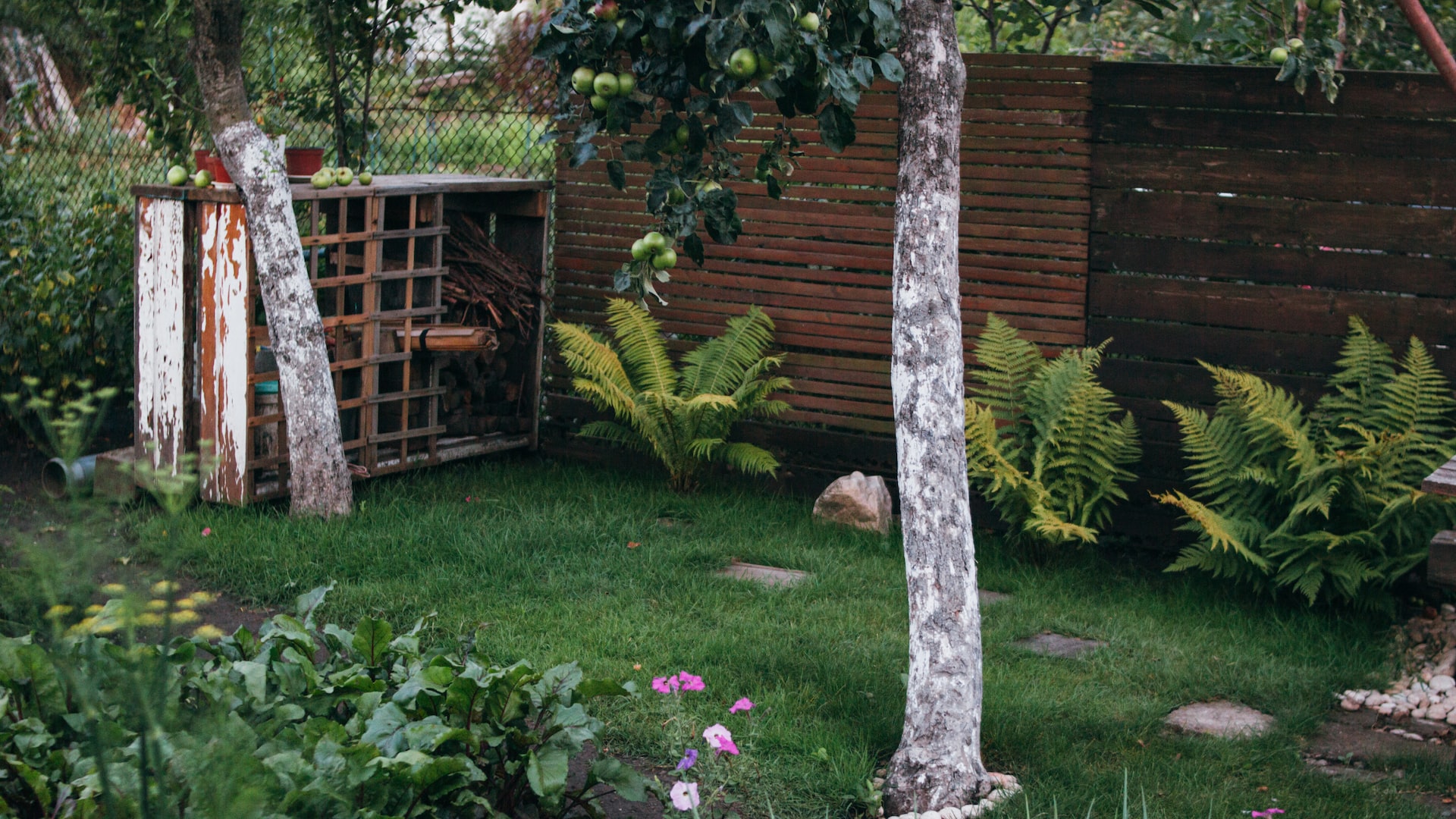
A shady garden can feel like a private retreat until a heavy branch starts hanging over the roof. The palm beside a shopfront may lend a welcome touch of greenery, yet its falling fronds can become a recurring concern. Trees bring character to a property, but they also need attention as buildings, roots and canopies grow into one another’s space.
For homeowners and small business owners in Mascot, good tree care is about finding the balance between greenery and practicality. A courtyard should feel inviting. A driveway should remain accessible. A tree that has provided years of shade deserves a thoughtful assessment before anyone decides its future.
Eastern Suburbs Tree Lopping offers professional tree removal services in Mascot, along with tree cutting, trimming and pruning in Sydney. For readers considering work around a home, rental property or commercial premises, understanding those services is a useful first step towards a safer, more manageable outdoor space.
Understanding tree removal in Mascot
Mascot’s mix of homes, apartments, warehouses and commercial properties creates varied conditions for tree work. One tree might stand in an open garden with generous access. Another might lean above a narrow side passage, close to a neighbouring fence and an outdoor entertaining area.
That difference matters. Removing a tree is not simply a question of cutting through a trunk. The surrounding structures, access routes, tree condition and available working space all influence how the job should be approached.
When removal may be worth considering
A professional assessment can help establish whether removal is appropriate or whether targeted care could retain the tree. Reasons to seek advice include:
- Large dead branches above frequently used areas.
- A newly developing lean or noticeable movement around the roots.
- Significant trunk damage, splitting or decay.
- Decline following storms, excavation or nearby construction.
- A tree that has outgrown its position and cannot be managed appropriately through pruning.
These signs do not automatically mean a tree must come down. Some problems can be managed, while others require closer investigation. The important distinction is between noticing a concern and diagnosing it correctly.
For property owners, the most useful starting point is a site-specific assessment rather than a decision based on appearance alone.
Why an Arborist Brings a Different Perspective
An arborist considers more than the branches that seem inconvenient. Tree species, structure, health, growing conditions and previous pruning can all help explain what is happening above and below ground.
The terms tree arborist and tree surgeon are often used when people search for professional help. More important than the label is whether the person assessing the tree has suitable qualifications and experience for the work involved.
Assessment before action
A useful consultation should connect the tree’s condition with the way the property is used. A branch over an empty garden bed presents a different situation from one extending above a childcare entrance or a busy customer walkway.
Questions worth asking include:
- What is causing the visible problem?
- Can pruning address it without removing the whole tree?
- What effect might the proposed work have on future growth?
- Are permissions or further reports needed?
- How will nearby structures and landscaping be protected?
When contacting Eastern Suburbs Tree Lopping, describe the tree’s location, the issue you have noticed and any access restrictions. Photographs can support an initial conversation, although they may not replace an on-site inspection.
Matching Tree Services to the Real Problem
Tree services cover several different tasks, and the right one depends on the outcome required. A garden needing more clearance above a path may not need the same approach as a site containing a badly damaged tree.
Tree trimming for everyday clearance
Tree trimming commonly refers to managing smaller branches and growth around buildings, paths or garden features. Appropriate trimming can improve access and prevent vegetation from crowding usable areas.
For a small business, this might mean keeping branches away from an entrance or improving visibility around signage. At home, it could mean restoring comfortable clearance above a garden path.
However, removing foliage changes the tree. Repeated, poorly placed cuts can create structural problems or stimulate growth that requires further management.
Tree pruning for health and structure
Tree pruning is a more targeted process, guided by the needs of the tree and the purpose of the work. It may involve removing deadwood, addressing damaged branches or improving the structure of a developing canopy.
Good pruning is not about taking off as much as possible. Excessive foliage removal can stress a tree, while unsuitable cuts may create wounds that are difficult for it to contain.
A useful scope of work should explain which branches will be addressed and why, rather than simply promising to make the tree smaller.
Tree cutting and tree lopping
Tree cutting is a broad term that may describe branch removal, sectional dismantling or cutting timber during a removal job.
Tree lopping is also widely used in everyday conversation, but it can refer to severe cutting that leaves large stubs or removes substantial sections of a canopy. Indiscriminate lopping can lead to decay and vigorous regrowth with weak attachments.
Rather than requesting a particular cutting style, explain the result you want. More sunlight, roof clearance and reduced branch weight are different objectives that may require different solutions.
Planning Tree Branch Removal Around Daily Life
Even a limited tree branch removal job needs careful planning when the branch extends over a roof, fence or neighbouring property.
Branches can be heavier than they appear from the ground. Their balance may also change unexpectedly as they are cut. Depending on the setting, professionals may need to lower sections in a controlled way rather than let them fall.
Keeping homes and businesses accessible
Before work begins, discuss how the site will operate that day. Residents may need to move vehicles, secure pets or keep children indoors and away from the work zone.
Business owners should also consider customers, deliveries and staff access. A little preparation can prevent confusion and help keep people clear of equipment and falling material.
Useful details to confirm include:
- The expected work area and access route.
- Any temporary restrictions around entrances or parking.
- Whether gates or movable outdoor items need attention.
- How branches and timber will be removed.
- What clean-up is included in the quote.
These practical points can make a significant difference to the overall experience.
Palms and Storm Damage Need Particular Care
Palms bring a distinctive look to Sydney gardens, but their maintenance needs differ from those of branching trees. Heavy fronds, fruit clusters and work at height can make palm care unsuitable for an improvised weekend approach.
Looking after palms responsibly
Brown fronds may be noticeable, but removing too much healthy green growth is not necessarily beneficial. The appropriate work depends on the palm species, its condition and what lies beneath it.
Tell the contractor if the palm stands near a pool, footpath, outdoor dining area or shared driveway. Those surroundings influence how the work area needs to be managed.
Responding to emergency tree limb removal
After strong winds, a partly detached limb may remain caught in the canopy. This is not an invitation to pull it down with a rope or cut it from a ladder.
Keep people and pets away, avoid standing beneath the damaged area and seek professional assistance. If branches are touching or close to powerlines, stay clear and contact the electricity network operator. Call emergency services when there is immediate danger to people.
When requesting urgent help, describe whether the limb is suspended, what it is above and whether access is blocked. Do not assume a company offers round-the-clock attendance; confirm current availability directly.
Making Room With a Land Clearing Service
Sometimes the task involves more than one tree. A renovation, neglected yard or redevelopment may prompt enquiries about a land clearing service.
Clearing should begin with a clear understanding of what is being removed and what should remain. Established trees can provide shade, privacy and habitat that are difficult to replace.
Set boundaries before machinery arrives
A considered plan identifies retained vegetation, underground services, access requirements and the destination of green waste. It should also account for any approvals and measures needed to protect nearby trees.
Ask whether the quoted work includes shrubs, stumps, surface roots or only above-ground vegetation. Do not assume stump grinding or site levelling forms part of a tree removal quote.
Before arranging broader clearing through any provider, including Eastern Suburbs Tree Lopping, confirm the exact scope and whether the required service is available.
Checking Permissions and Comparing Quotes
Tree work in Sydney may be subject to council controls, even when the tree stands on private property. Requirements can depend on its size, species, location, condition and any heritage considerations.
Mascot property owners should check current requirements with Bayside Council before proceeding. Strata properties, leased premises and shared boundaries may introduce additional approval steps.
A professional recommendation does not automatically replace the need for permission.
Look beyond the final figure
When comparing quotes, make sure each contractor is pricing the same work. A lower price may exclude waste removal, stump treatment or other tasks that another quote includes.
Ask for a written description of the work, relevant insurance details and clarification of who is responsible for approvals. For more complex jobs, ask about the qualifications of those undertaking the assessment and work.
The Eastern Suburbs Tree Lopping website can serve as a starting point for exploring the company’s services before discussing your property’s requirements directly.
Frequently Asked Questions
Can pruning save a tree that seems too large?
Sometimes. Suitable pruning may improve clearance or address particular structural concerns. However, repeatedly reducing a tree that is fundamentally unsuited to its position may not provide a sustainable solution. An assessment can help distinguish between the two.
Should a dead tree always be removed immediately?
A dead tree warrants prompt assessment, especially near buildings or regularly used areas. The urgency depends on its condition, location and the consequences of failure. Keep clear of visibly unstable trees while arranging advice.
Will removal include the stump?
Not necessarily. Tree removal may leave a stump cut close to ground level. If you want to replant, pave or use the area differently, discuss stump grinding and any remaining roots before accepting the quote.
Can I prune branches near powerlines myself?
Do not attempt work near powerlines. Maintain a safe distance and contact the electricity network operator for guidance. Specialist requirements apply to vegetation work around electrical infrastructure.
How often should trees be checked?
There is no single schedule suitable for every tree. Species, age, condition and surroundings all matter. Seek advice after significant storm damage, nearby excavation or noticeable changes, and ask an arborist about an appropriate inspection interval.
Give Your Outdoor Space a Clearer Future
The best tree-care decision is not always the most dramatic one. Sometimes a carefully selected branch needs attention. Sometimes a palm needs appropriate maintenance. In other cases, removing a declining or unsuitable tree creates room for a better long-term landscape.
For Mascot residents and Sydney business owners, the sensible approach is to start with a clear assessment, check permissions and agree on a detailed scope of work. Eastern Suburbs Tree Lopping is a local company to contact when exploring removal, cutting, trimming and pruning options.
Thoughtful tree care protects more than buildings and fences. It helps preserve the comfort, character and everyday usefulness of the places where people live and work.